

























































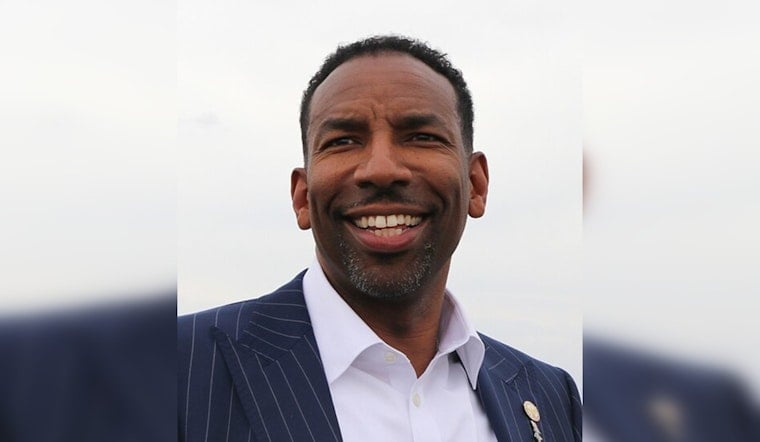
Atlanta leaders are moving to make sure the FIFA World Cup leaves more than just a few highlight reels behind. This week, the city introduced legislation to create a Downtown Enterprise Zone that could capture up to 5% of gross sales and use taxes from qualifying businesses inside a roughly 30-acre slice of central Atlanta. Mayor Andre Dickens has framed the proposal as part of a broader Neighborhood Reinvestment Initiative, saying the captured revenue would flow into infrastructure, affordable housing and small-business support so activity does not fade once the matches end. The City Council could take up the ordinance as soon as next month, and supporters argue the zone will speed up projects already under way around Centennial Yards.
Boundaries, designation and who approved it
According to a City of Atlanta press release, the State Department of Community Affairs has officially designated the Downtown Enterprise Zone and set its rough boundaries at Marietta Street NW, Peachtree Street SW, Trinity Avenue SW and Ted Turner Drive/Forsyth Street SW. The release notes that the city could capture up to 5% of gross sales and use revenues from qualifying businesses inside that footprint and reinvest the proceeds in targeted downtown projects such as sidewalks and street repairs, according to City of Atlanta.
Local leaders pitch the zone as neighborhood reinvestment
Councilmember Jason Dozier has said the timing is no accident and that the enterprise zone is designed to turn World Cup buzz into longer-term benefits for residents and merchants, according to Atlanta News First. The Dickens administration has tied the proposal directly to its neighborhood-reinvestment goals, and supporters say approval could come quickly so work can begin before the summer events hit downtown.
How the money would be used
City officials stress that the total revenue depends on how many qualifying businesses set up inside the zone and how much they take in at the register. They have identified basic infrastructure such as sidewalks, street repairs and similar upgrades as early spending priorities, per the administration's announcement, according to City of Atlanta. David Cummings of Atlanta Ventures has argued that the approach will help make sure growth comes with needed affordable housing and small-business investment, not just new towers.
Centennial Yards and the development pipeline
Backers often point to Centennial Yards, a multibillion-dollar redevelopment adjacent to Mercedes‑Benz Stadium, as the kind of project that could help the zone hit its targets. Industry reporting puts the master plan's commitments in the roughly $5 billion range and notes that a fan‑zone component is being readied for 2026 events, according to Sports Business Journal. Developers and civic groups say new hotels, venues and retail are expected to drive more foot traffic and, crucially, more taxable activity downtown.
Leadership change and a push toward housing
A.J. Robinson, who has led Downtown Atlanta Inc. for more than two decades, told reporters that conversions of vacant downtown office buildings into housing are getting close and predicted that "in the next 18 months" some conversions will take place, according to Atlanta News First. Robinson is also stepping back from his post, and the organization has launched a search for a successor, reported by Rough Draft Atlanta, a leadership shuffle that civic figures say could help align downtown strategy with the new zone.
How enterprise-zone law works in Georgia
The enterprise-zone tool is grounded in state law and overseen by the Department of Community Affairs, which spells out how underdeveloped redevelopment projects can qualify for special treatment tied to sales and use tax. The designation gives local governments options to assess or exempt certain taxes and to capture revenues for infrastructure or debt service, according to the Georgia Department of Community Affairs. In practical terms, the Downtown Enterprise Zone will only succeed if it helps attract the retail, restaurants and visitors that actually generate taxable sales.
What comes next
The immediate next steps are procedural. The Dickens administration plans to ask the City Council to approve the ordinance so downtown can begin capturing revenue, while developers and community groups watch how quickly new restaurants and retailers open inside the zone. Observers say the World Cup creates a short runway to prove the concept, and that scrutiny over fee structures and allocations will be intense as the city tries to turn event momentum into long-term neighborhood investment, as other local outlets have reported. Urbanize Atlanta.





.jpg)