

























































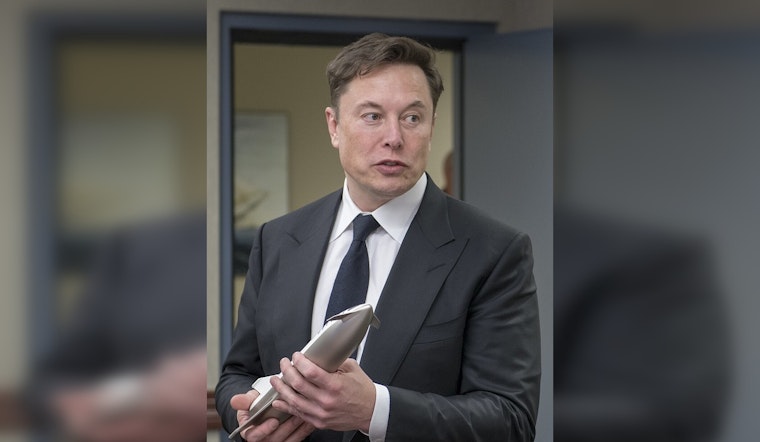
Elon Musk is working hard to stay out of the witness chair in an Austin federal case that says his America PAC lured voters with splashy promises of “random” $1 million giveaways. The plaintiffs say they were enticed into handing over personal contact information after being told they would have a daily shot at seven figures, and now they want the PAC to cough up unredacted internal files and Musk’s sworn testimony. The fight over how far discovery should go has landed in the Western District of Texas, where lawyers are already tussling over just how deep the paper trail needs to run.
Judge's Ruling And Where The Case Stands
U.S. District Judge Robert Pitman in Austin has already turned aside an early attempt to toss the lead plaintiff's claims, clearing the way for full discovery and future summary-judgment battles. As reported by Reuters, Pitman wrote that a reasonable person could have understood Musk's promotional language to promise a real chance at payment.
What Plaintiffs Say
Lead plaintiffs Jacqueline McAferty and Joy Harvick say they signed America PAC's petition and turned over their personal information because Musk and the PAC suggested signers had a daily chance to win $1 million. Their complaint claims signers were misled about how winners were actually chosen and that their data was quietly funneled into political targeting efforts. The Washington Post reported that those allegations survived an initial bid for dismissal and are now headed into the document-and-deposition phase.
Hearings Showed Winners Were Vetted
At an earlier hearing, America PAC director Chris Young testified that recipients were vetted to serve as spokespeople rather than picked purely at random, and that many of them signed nondisclosure agreements. That testimony, which appears to undercut Musk’s onstage promise of a random daily payout, sits at the center of the plaintiffs’ fraud theory. As reported by AP, Young's remarks made it harder for the PAC to stick to its position that the giveaway was not a lottery.
Plaintiffs Seek Musk's Testimony And Unredacted Records
The plaintiffs are pushing the court to order Musk to sit for a deposition and to require America PAC to turn over internal records without heavy redactions, arguing those materials are crucial to showing whether the promotion was a sham. Reporting in the Austin American-Statesman notes that Magistrate Judge Susan Hightower will first sort out the discovery fight before Judge Pitman takes up any big-picture motions. The case docket on Justia lays out the flurry of filings that pushed the dispute into this procedural trench.
Payments, Referrals And Alleged Nonpayment
Separate complaints go beyond the headline-grabbing million-dollar checks and focus on smaller promised payments to petition signers and referrers, a pay structure plaintiffs say was used to supercharge voter contact list-building. Court filings and coverage describe materials that advertised $47 per referral, and in some reporting $100 in certain states, and recount stories from canvassers and referrers who say checks were delayed or never arrived. Coverage by ClassAction.org and local reporting in the Phoenix New Times detail canvassers who say they were shortchanged.
Musk's Defense
Musk's lawyers say the plaintiffs do not have standing, deny that there were any actionable false statements and insist the program was core political speech protected by the First Amendment, not an illegal lottery dressed up as a raffle. The defense casts the $1 million recipients as paid spokespeople who “earned” their money, which the PAC argues turns those payouts into contractual compensation rather than sweepstakes prizes. The Washington Post has outlined those dueling legal theories and the arguments both sides have pressed in court.
What's Next
For now, the key question is whether Magistrate Judge Hightower will open the door to broader discovery, including Musk’s deposition and access to unredacted America PAC documents. Those rulings will heavily influence what Judge Pitman has in front of him when it comes time to weigh summary-judgment motions. Legal observers say the case is testing the line between hard-edged political messaging and unlawful inducement or deceptive trade practices, particularly after reports that the Justice Department warned the PAC the giveaway might run afoul of federal election law. Reporting on Reuters and the filings on Justia are the places to watch for the next developments in Austin.



_(cropped).jpg)