

























































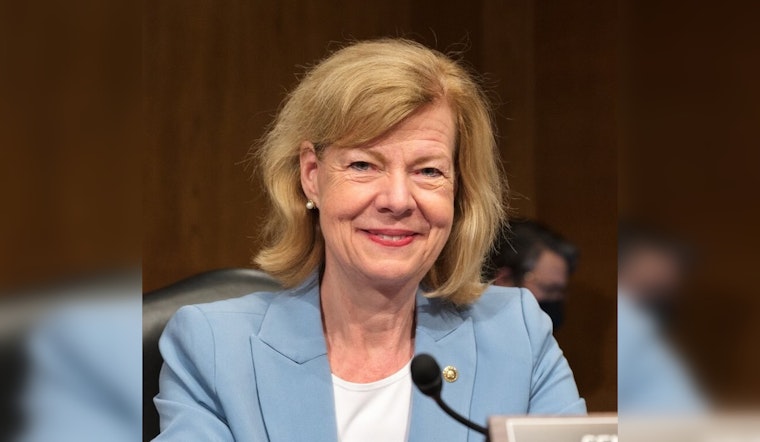
On Wednesday, Sen. Tammy Baldwin rolled out the "For the Fans" Act, a proposal she says would make it easier and cheaper for viewers to watch local pro and women's sports by cutting down on blackouts and cleaning up messy market rules. The bill would push the Federal Communications Commission to spell out who actually counts as a "local" fan and would shut down national blackouts that keep out-of-market subscribers from watching games. Backers are pitching it as a consumer-friendly fix after a wave of rights deals shoved big matchups behind extra paywalls.
According to The New York Times, the bill would cover the NFL, MLB, NHL, NBA, WNBA, MLS and NWSL and is aimed at lowering TV costs for consumers while making local games easier to find. It would ban national blackouts that cut off subscribers to out-of-market packages when those games are shown only on an additional paid streaming service.
Baldwin told The New York Times the plan is "leveling the playing field for fans" and said "absolute frustration" over overlapping and confusing subscriptions helped push her to act. She also pointed to a Green Bay Packers playoff game in January as a key spark for introducing the measure.
What the bill would change
The proposal would tell the FCC to draw clear lines around "local" market boundaries so regional fans can reliably figure out where their team's games will air. It would also require nationally televised pro games to be available statewide on a consistent free broadcast or free streaming outlet. That basic structure mirrors earlier efforts in Congress to curb blackout practices and tie league benefits to consumer access, as described on Congress.gov.
Why Baldwin says now
Baldwin has spent years pressing for better access for Wisconsin viewers, and her previously introduced Go Pack Go Act would require video providers to carry Wisconsin broadcast stations for in-state customers. Her office is framing the new bill as a natural extension of that push. The earlier proposal and Baldwin's comments to constituents are laid out on Senator Baldwin's website.
Streaming deals and fan frustration
As leagues split rights across traditional networks and streaming platforms, viewers can wind up paying for multiple services and still get hit with blackouts on out-of-market packages. The NBA's help center notes that League Pass is available through Amazon Prime subscriptions and that Amazon-only national games are "subject to national blackout rules," and industry watchers reported that the shift into Amazon's ecosystem led distributors such as Fubo and YouTube TV to drop League Pass; see the NBA Help Center and reporting from Cord Cutters News.
Industry pushback
Broadcasters and trade groups counter that forcing changes to blackout practices could hike prices or throw retransmission negotiations out of balance. The American Television Alliance has argued that a similar proposal might push consumer costs higher, and the FCC has been reviewing how blackout rules apply to newer streaming-heavy deals in recent agency materials; see the American Television Alliance statement and the FCC's public document on media issues.
Legal implications
Supporters say the bill would update enforcement by giving regulators rulemaking powers rather than tearing up long-standing law. The Sports Broadcasting Act of 1961 would stay on the books, but the way its protections are applied could shift. That tension between fan access and the contract and antitrust issues at stake is expected to drive hearings and sharp debate in Congress and at the FCC. The agency's recent materials outline how regulators are thinking about those questions in a streaming-driven market (Federal Communications Commission).
What's next
The For the Fans Act is now out in the open and will have to clear committee review before it moves anywhere. If it advances, regulators and leagues are likely to spend months hammering out how any new rules get written into contracts and carriage agreements. For fans, the promise is a simpler path to watching their teams, but how much actually changes will hinge on hearings, committee votes and a lot of lobbying from the sports and TV industries.





.jpg)