

























































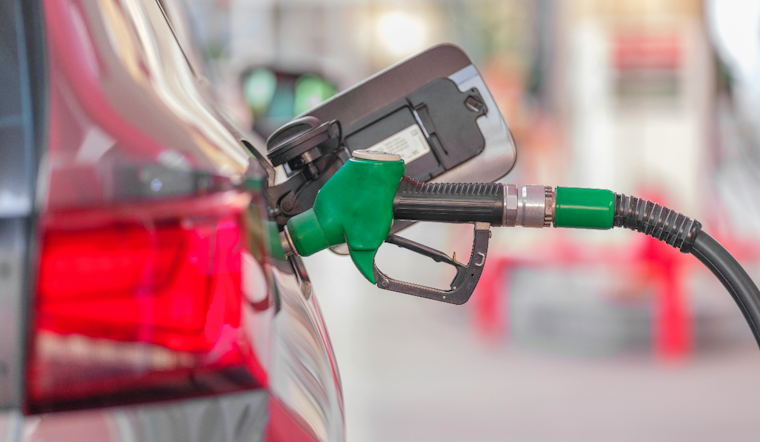
Baltimore drivers actually got some decent news at the pump this week. The average price for regular unleaded in the city dropped 11.4 cents over the last week, landing at $3.99 per gallon. That dip tracked a broader national slide that nudged the U.S. average just under $4, offering a bit of short-term relief after weeks of higher prices.
Those numbers come from a GasBuddy data release reported by Dundalk Eagle. Citing GasBuddy's city and station survey, the outlet notes the national average fell 9.4 cents to $3.97 per gallon, while diesel prices slipped 11.7 cents to $5.50 per gallon. The same report pegs the Washington, D.C., area average at about $4.23 per gallon.
Local Price Swings and Where the Deals Are
Inside the city limits, the story gets more dramatic. Station-level reports showed the cheapest pump at $3.67 and the most expensive at $4.46 on Sunday, a spread of 79 cents, according to GasBuddy data reported by Chattanooga Pulse. That same dataset puts Baltimore's average 17.9 cents higher than a month ago and 89.8 cents higher than at this time last year, which means plenty of drivers are still paying noticeably more than they did a year ago.
Why Prices Dropped and How Fast They Could Rebound
GasBuddy analyst Patrick De Haan is not exactly throwing a victory parade. He cautioned that the breather may be short-lived: "Gasoline prices are likely to rise again in the days ahead," he said, as reported by Chattanooga Pulse. Analysts point to volatile oil markets along with regional refinery and supply shifts that can move retail prices quickly, which is why brief dips often vanish just as fast.
The federal Energy Information Administration's April Short-Term Energy Outlook points to ongoing geopolitical disruptions and refinery constraints that keep retail fuel costs volatile, underscoring how local price breaks can be undone by global swings. The full outlook details the inventory and crude price dynamics behind this spring's movement, and the EIA's April report offers a deeper look at the national supply picture.
For now, drivers hunting for the best fill-up might want to treat this like a mini scavenger hunt. Comparison shopping with station-level maps and local listings is still the best way to snag cheaper gas, especially when a 79-cent spread is in play and can shift from day to day. Local motorists will be watching the numbers closely, and we will keep following the data and reporting that helps Baltimore drivers find the lowest prices around town.





