

























































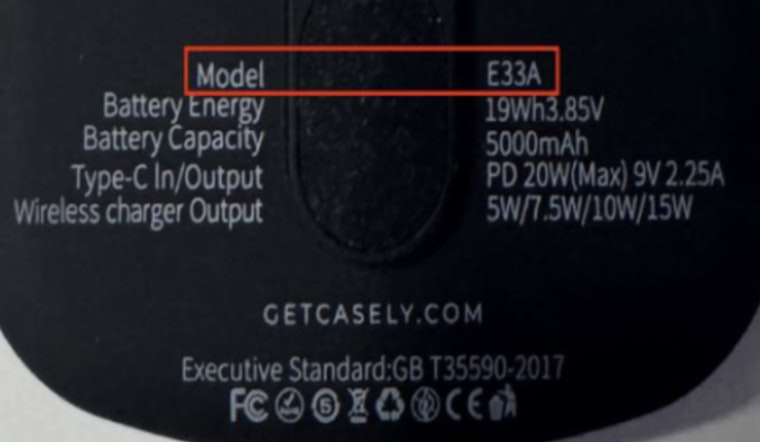
Brooklyn-based phone accessory brand Casely is back in the hot seat. The company and federal safety officials reannounced a nationwide recall Monday of roughly 429,200 Casely Power Pods after fresh reports that the chargers’ lithium-ion batteries can overheat, catch fire or even explode. The pocket-sized MagSafe-compatible power banks, model E33A, were first pulled last year and are being re-recalled in an effort to reach owners who may still be carrying them around. Customers are being urged to stop using any qualifying Power Pod immediately and follow the company’s recall steps for a free replacement or store credit. The renewed notice comes as new incident reports have surfaced in recent weeks.
According to the U.S. Consumer Product Safety Commission, the recall covers about 429,200 Casely Power Pods 5000mAh (model E33A) and was first announced April 17, 2025. The CPSC says the chargers were sold online at getcasely.com, Amazon and other e-commerce sites from March 2022 through September 2024 for roughly $30 to $70. The agency’s recall posting warns consumers not to toss recalled lithium-ion batteries in regular trash or curbside recycling, and instead to follow local household hazardous-waste guidance for disposal.
Company Reannounces Recall and Explains Replacement Process
Casely says it is reannouncing the voluntary recall to make sure affected units are identified and pulled out of circulation, and so that eligible owners can receive a free UL-certified replacement or a $60 gift card as an alternative. The recall page on Casely instructs customers to upload two photos, one showing the front of the Power Pod marked “Recalled” with the date and one showing the model number on the back, to confirm eligibility. The company also directs owners to dispose of recalled power banks through municipal hazardous-waste programs and offers a recall hotline for support.
Reports, Injuries and a Disputed Fatality
The CPSC’s recall listing notes 51 reports of batteries overheating, expanding or catching fire and six minor burn injuries tied to the product. Local coverage by Daily Voice says the company has received 28 new reports and reports that a 75-year-old New Jersey woman suffered second- and third-degree burns after a Power Pod exploded on her lap in August 2024 and later died from her injuries. That specific fatality does not appear on the CPSC posting; Casely’s public recall materials state only that it has received incident reports and is asking affected owners to participate in the remedy program.
What Owners Should Do Now
If you own a Casely Power Pod, the advice is blunt: stop using it immediately and follow the company’s claim process to request a replacement, Casely advises on its recall page. Do not throw the unit in the trash or curbside recycling; instead contact your municipal household hazardous-waste program for safe disposal instructions and use the online recall form to register for a replacement or gift card. If a device caused a fire or injury, seek medical attention, keep records and photos of the incident, and include those materials with any recall claim.
Why Lithium Batteries Can Ignite
Lithium-ion batteries can experience sudden thermal runaway, a self-heating chain reaction, if they are damaged, poorly manufactured, overcharged or subject to internal short circuits, which can lead to fires or explosions. International safety analyses note that substandard components or faulty battery management systems increase that risk, and once a lithium battery ignites it can be notoriously hard to extinguish. That engineering reality is why regulators and manufacturers stress proper disposal, certified replacements and avoiding charging devices inside soft bags or tightly confined spaces.
Legal Fallout
Casely already faces consumer litigation. A putative class action against the company (Mitchell v. Casely) was filed in federal court in May 2025, alleging the Power Pod design is defective and citing the CPSC recall. The complaint seeks damages and other relief on behalf of purchasers who say the devices overheated and damaged phones or caused injuries, and it references the CPSC recall notice in its allegations.
For now, owners should check the recall page and Casely’s support channels for the official claim steps and disposal guidance, and consider contacting local health or fire officials if a device has ignited. Hoodline will update this item if CPSC or Casely publish further details or if the agency revises the incident count.


