

























































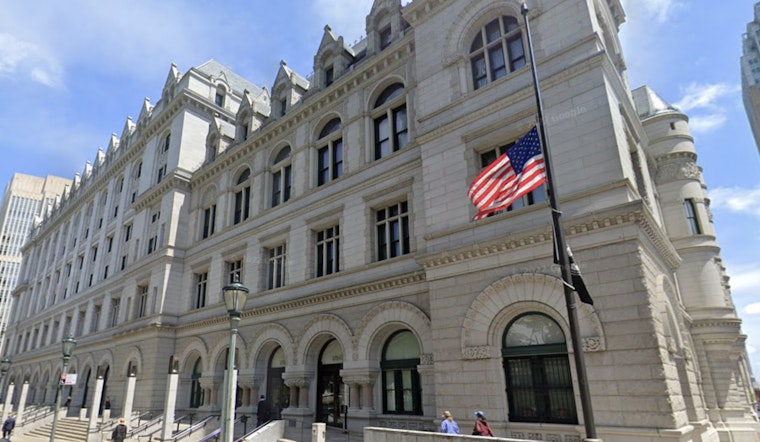
In a Brooklyn federal courtroom earlier today, Animashaun Adebo, who prosecutors say went by the nickname "Kazeem," admitted he was part of a sprawling email-fraud crew that federal authorities say siphoned more than $50 million from individuals and small businesses. His guilty plea to a wire-fraud conspiracy charge is the latest turn in a multi-district probe that has touched victims in New York City and across the country.
According to the U.S. Attorney's Office for the Eastern District of New York, Adebo, identified in court filings as a Chicago resident, admitted that between April 2021 and March 2022 he worked with co-conspirators to send emails crafted to look like legitimate messages from vendors or escrow agents. The goal, prosecutors say, was simple and lucrative: trick victims into wiring money into accounts controlled by the group. Officials say the cash was then washed through shell-company bank accounts, splurged on luxury watches, and funneled through an illegal money-exchange operation run by co-defendant Idowu Ademoroti, who has already been convicted and sentenced in connection with related conduct.
How the Scheme Worked
Prosecutors describe a familiar playbook: spoofed email addresses, believable logos, and urgent instructions about wire transfers, often in the middle of real-estate deals or routine vendor payments. The FBI notes that business email compromise, or BEC, schemes commonly lean on look-alike domains and high-pressure tactics to hustle victims into moving money without double-checking the details. The bureau and its Internet Crime Complaint Center advise potential victims to save every email and payment record, call their bank immediately, and file a complaint so investigators have a shot at tracing the funds.
Co-defendants and Prosecution Status
The same federal case ropes in several co-defendants. According to the Eastern District of New York, Ademoroti is identified as the man linked to the underground exchange operation. Another alleged conspirator, Nelson Ojeriakhi, was arrested in Paris, extradited to the United States in July 2025, and later pleaded guilty in November 2025. A fourth man, Noguan Marvellous Eboigbe, remains at large. The prosecution is being run out of the office's Business and Securities Fraud Section under docket numbers 24-CR-239 and 23-CR-188, with Assistant U.S. Attorneys Andrew D. Reich and Daniel J. Marcus leading the case while investigators continue trying to claw back stolen money.
What Victims Should Do
Federal investigators urge anyone who thinks they may have been caught up in a similar scheme to keep all related emails, invoices, and wiring records, contact their bank as quickly as possible, and file a complaint through the IC3 portal so federal agents can start tracking transfers. The FBI publishes step-by-step guidance for businesses and consumers on spotting BEC red flags, tightening internal payment procedures, and attempting wire reversals when money has already gone out the door.
Prosecutors say Adebo's plea is a reminder that seemingly routine messages in your inbox can be the front door to complex, international fraud rings. Local companies, law firms, and escrow officers are being urged to build in secondary verification for any change in wiring instructions, no matter how "official" an email looks. Anyone with information about remaining suspects is asked to reach out to federal investigators through the U.S. Attorney's Office or the FBI.





