

























































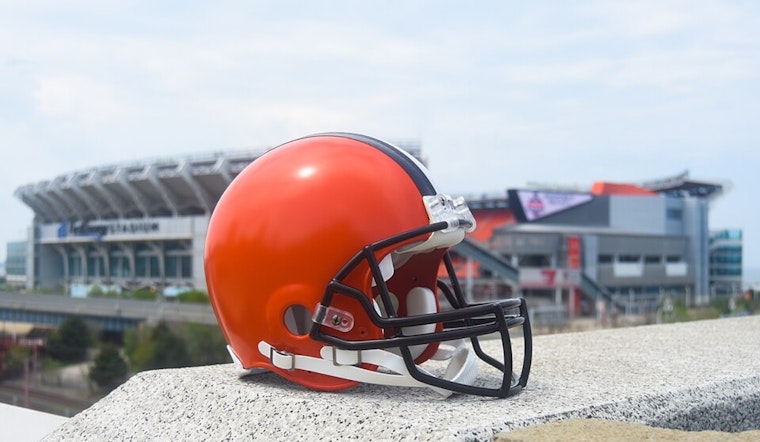
The Cleveland Browns traded the No. 6 overall pick to the Kansas City Chiefs on Thursday night of the 2026 NFL Draft, sliding back three spots to No. 9 while picking up extra mid-round capital. The move leaves Cleveland holding two first-round selections at Nos. 9 and 24, plus more ammunition to work with throughout the rest of the draft.
Trade details and returns
According to Cleveland Browns, the team sent the sixth overall pick to Kansas City in exchange for the ninth overall pick and third- and fifth-round selections (Nos. 74 and 148). The deal bumps Cleveland's total selections this year to 11, giving the front office more room to maneuver on Day 2 and Day 3.
Chiefs move up and pick Mansoor Delane
The Kansas City Chiefs used the No. 6 pick to select LSU cornerback Mansoor Delane, with NFL.com reporting that Kansas City sent Nos. 9, 74, and 148 to Cleveland to make the jump. The selection capped an aggressive night for the Chiefs as they reshaped a secondary that had lost veteran pieces in the offseason.
Why the Browns made the move
General manager Andrew Berry had told reporters he wanted to "maximize the asset" of the Browns' top pick and was open to trading down if the price was right, a point he repeated during his pre-draft availability as reported by News 5 Cleveland. The trade fits that approach, with Cleveland accepting a small slide in Round 1 in exchange for mid-round help and added roster flexibility.
Reaction: Was it enough?
Reaction on draft boards and across social media quickly split into camps. Some analysts labeled the return modest for a three-spot drop, while others pointed out that volume and flexibility are valuable in a class widely viewed as deep. Outlets, including ProFootballTalk, noted that the Chiefs surrendered a third- and fifth-round pick to climb to No. 6, and the debate over whether Cleveland extracted fair market value began almost immediately.
Immediate impact on Cleveland's draft class
The Browns used the No. 9 pick on offensive tackle Spencer Fano, the team confirmed in its draft coverage, addressing an offensive line that had seen significant turnover in free agency. With two first-rounders plus extra selections in the third and fifth rounds, Cleveland now has more options to chase starters, build depth or explore packaging picks for a veteran addition as the draft unfolds.





.jpg)