

























































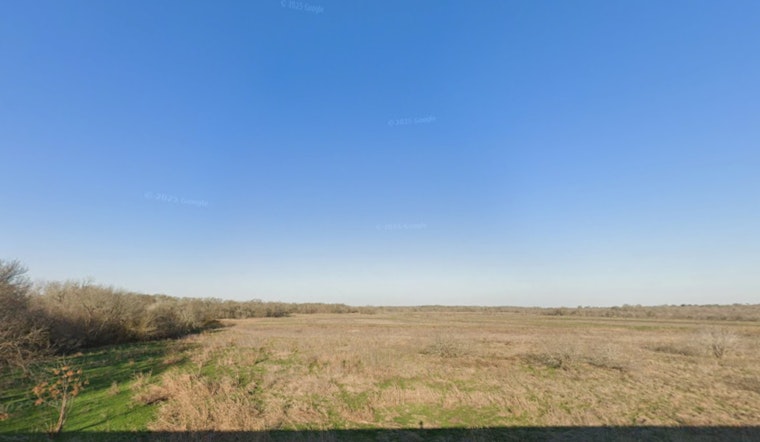
Caldwell County commissioners have quietly but decisively cleared the way for a proposed 480-home subdivision on land just outside Lockhart, nudging the project past an early regulatory checkpoint and into the queue for more detailed plat and permit reviews. If it lands all the approvals it needs, the development would drop hundreds of new single-family lots into a county already grappling with a fast pace of residential growth.
According to the Austin Business Journal, a Florida-based developer is pitching roughly 480 single-family homes on acreage near Lockhart’s city limits. The outlet reported on April 13 that commissioners’ recent action removed a procedural barrier, allowing the proposal to move toward formal plats and utility agreements. The developer has not yet made a construction timeline or a detailed site plan public.
What county officials actually approved
This latest move appears to be an early-stage, county-level administrative clearance rather than a final plat approval or a building permit. The Caldwell County commissioners’ court recap lists a string of recent development-related approvals and agreements as the county positions itself to manage incoming projects alongside its infrastructure needs. Those public records remain the main place to watch for the next formal hearings and filings connected with this subdivision.
How the project fits into Lockhart’s growth wave
Lockhart has been drawing large, master-planned communities in recent years, and local coverage has tracked Red Oak’s Moxie and Wilson Capital’s Blue Sky projects in Lockhart Post-Register. Regional reporting has also highlighted Perry Homes’ Juniper Springs and other big subdivisions that together are adding thousands of lots at the edges of the Austin metro area The Real Deal. The proposed 480-home community would slide into that existing pipeline and further heighten pressure on roads, schools, and utilities.
Infrastructure questions still looming
Large-scale subdivisions typically come with a shopping list of infrastructure needs, including road improvements, plus water and wastewater capacity. Developers sometimes also look to tax-increment zones or municipal utility districts to help finance up-front costs. In projects such as the Seawillow and Moxie development, county agenda packets and staff memoranda show developers asking commissioners to consider tax-increment participation and other financing tools in Caldwell County. Early records for similar projects are already on file with county staff, and residents should expect public hearings on utilities and platting if this developer submits formal applications.
For now, the subdivision remains a proposal that must clear multiple local approvals before any dirt is turned. We will keep an eye on filings and upcoming commissioners’ court and planning-board calendars for formal notices and public hearing dates tied to the project.





