

























































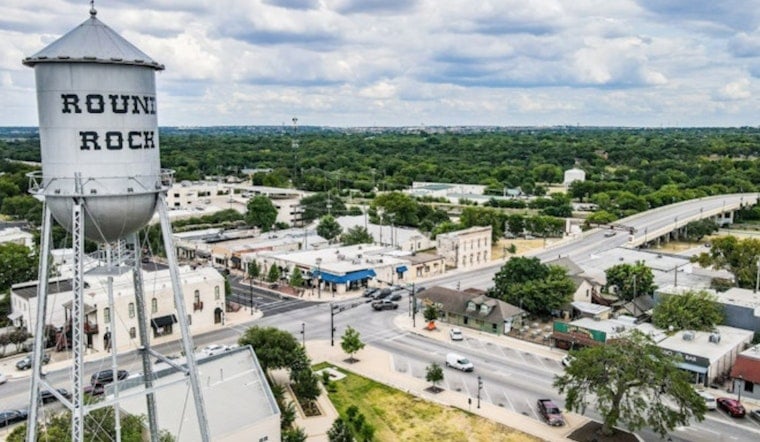
Round Rock is quietly turning into the cool cousin next door to Austin, and millennials are showing up in force. New housing types, fresh parks, and comparatively lower taxes are pulling in residents in their late 20s through early 40s who want the Central Texas lifestyle without downtown Austin prices. Buyers and renters say they get the proximity and amenities they want, while builders are racing to keep up with demand through townhomes, multifamily projects, and mixed-use developments. The rush is already bumping up traffic counts and fueling a wave of construction and long-range planning.
Numbers show a clear trend
The shift is not just a vibe; it is measurable. SmartAsset ranked Round Rock 17th out of 254 U.S. cities for millennial inflow and found millennials made up about 32.6% of the city’s population in 2024. As reported by SmartAsset, approximately 12,048 millennials moved to Round Rock in 2024 alone. The city places its total population at about 142,530 as of April 2026, according to the City of Round Rock.
Why millennials are choosing Round Rock
Local officials say the formula is pretty straightforward: relative affordability, plenty of outdoor options, and a deliberate push to expand the mix of housing. Community reporting shows city planners have leaned into so-called "missing middle" housing, meaning options that fall between big apartment complexes and traditional single-family homes. The city’s planning director told Community Impact that the goal is to support a blend of housing types "so that we can accommodate anybody who wants to live here at any kind of price point."
What’s under construction
The development pipeline is sizable. Local reporting shows roughly 7,515 housing units in the works as of April, including about 2,393 single-family or attached homes, 681 townhomes, 195 senior multifamily units, 1,887 multifamily units, and 2,359 high-density multifamily units, according to Community Impact. Those units are rising alongside major road projects and mixed-use developments. The same reporting notes that traffic has already taken a hit: average daily counts on University Boulevard jumped about 52% from 2016 to 2025, while US 79 climbed roughly 38% over that period. "It's mostly the traffic that can really 'get you' around here," a longtime resident told reporters, summing up the tradeoff that comes with rapid growth.
Where the city expects to land by 2030
City projections indicate Round Rock could reach roughly 161,000 residents by 2030. Planners say that kind of increase will boost sales tax revenue but also require heavier investment in police, fire, and road infrastructure. Those expectations are built into the city’s population forecasts and help explain the parallel push for more parks, expanded trail connections, and denser zoning in and around downtown to steer growth toward walkable, amenity-rich corridors.
For many millennials, the math is simple: more housing choices, nearby green space, and an Austin-adjacent lifestyle, even if the commute stiffens. For city leaders, the challenge is keeping pace with that influx so Round Rock can hold on to both its momentum and its livability.




