

























































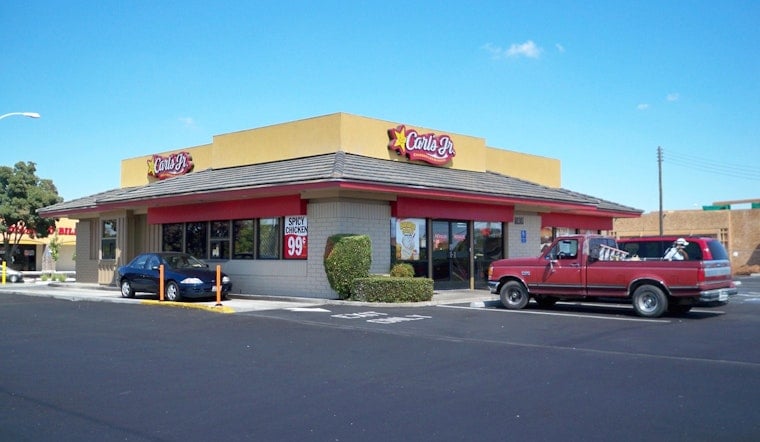
One of California’s biggest Carl’s Jr. operators just hit the brakes in a very public way. Friendly Franchisees Corporation, which runs roughly 65 Carl’s Jr. restaurants across the state, filed for Chapter 11 bankruptcy last Thursday, putting about one in ten of the chain’s California locations into a court-supervised restructuring. The cases landed in the U.S. Bankruptcy Court for the Central District of California through a nest of affiliated companies. Executives say the plan is to keep flipping burgers while the case moves forward, but workers, landlords and customers are staring down a stretch of uncertainty.
Filing details
The Chapter 11 petitions were lodged through a tangle of related entities that include Senior Classic Leasing, DFG Restaurants and Second Star Holdings, with a request that the court jointly administer the linked cases. The filings do not clearly spell out whether the financial strain comes more from the restaurant business or from the operator’s real estate plays. Court summaries list Sun Gir Inc. and Third Star Investments among the affiliated debtors, according to Restaurant Dive.
Who runs the operator
Friendly Franchisees is led by founder and CEO Harshad Dharod, who picked up the Carl’s Jr. portfolio around 2000 and has also built a side business in multifamily real estate. Trade coverage and company biographies note that the group has long used multiple corporate entities to keep restaurant operations and property holdings on separate ledgers, a structure that shows up clearly in the bankruptcy paperwork, according to QSR Magazine.
What Carl’s Jr. says
The corporate parent is trying to reassure everyone that this is a localized problem, not a systemwide alarm. A Carl’s Jr. spokesperson said the filing is limited to Friendly Franchisees and “has no impact on the operations of any other Carl’s Jr. locations,” adding that the company does not expect broader disruption to the brand’s network. The franchisor said it is monitoring the cases closely and working with affected teams while the operator works through its restructuring plan, according to TheStreet.
What Chapter 11 could mean
Chapter 11 gives Friendly Franchisees breathing room to reorganize while keeping restaurants open, at least for now. It also gives the debtor powerful tools to walk away from leases or trim underperforming locations, which can translate into closures or sales of individual stores. Industry analysts say franchisees across the country have been squeezed by rising wages, higher food costs and stubbornly high rents, and that those pressures have already driven several large operators into restructurings this year. Bankruptcy watchers are combing the docket for any lease-rejection motions or sale notices that would tip off which addresses might go dark next, Restaurant Dive reported.
What to watch next
For customers, the first concrete signs will likely show up on the front doors and drive-thru windows. Store-level notices and local court filings will reveal whether specific locations are being sold, shut down or shifted to new operators. Local outlets first pulled the threads together on April 9; see initial coverage and follow-up reporting from Cleveland.com and trade dockets for the latest filings. We will be watching the court records and any new statements from Carl’s Jr. for signs of which restaurants ultimately stay open and which ones do not.





