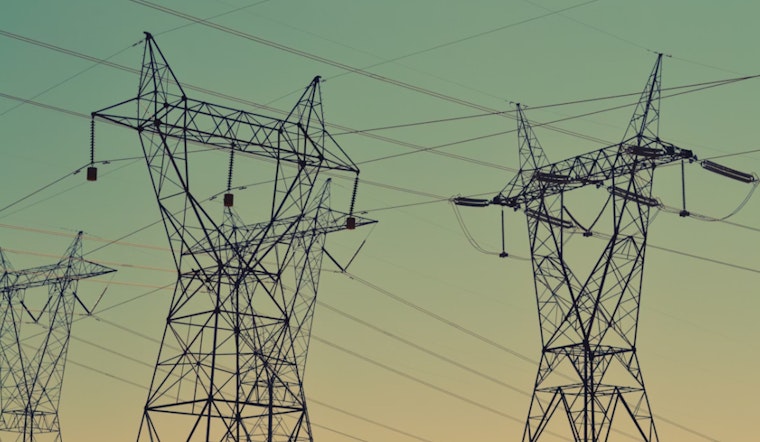
California’s grid operator is floating a roughly $7 billion plan to turbo‑charge the state’s high‑voltage backbone, aiming to move a wave of new clean power and rising electricity demand without knocking reliability off balance. The draft blueprint lays out 38 projects, ranging from reconductoring existing lines and deploying grid‑enhancing technologies to building a new extra‑high‑voltage 500‑kV line that would rank among the priciest pieces. The upgrades are designed to hook up offshore wind, large solar and battery farms, and to serve big new power users such as data centers. The proposal will get a public airing next Wednesday, with the ISO board slated to weigh final approval on May 19, 2026.
According to California ISO, the draft 2025‑2026 Transmission Plan recommends 38 transmission upgrades with an estimated full‑build price tag of about $7 billion over the next decade. The operator says the projects are intended to relieve grid congestion and improve access to key renewable energy zones, and in some cases would rely on reconductoring or advanced conductors instead of carving out entirely new corridors. Neil Millar, the ISO’s vice president for transmission planning, said the grid manager “recognizes the concerns around electricity affordability” as it weighs cost and reliability tradeoffs.
Big‑ticket Projects and Toughest Tradeoffs
One of the biggest single proposals is a new Trout Canyon‑Lugo 500‑kV line. The San Diego Union‑Tribune reported an estimated cost near $1.7 billion, which would put that one line at roughly a quarter of the plan’s total. Supporters argue the project would unlock deliverability from southern Nevada and other resource areas. Critics are already raising flags over the route, the risk of cost overruns and how much exposure ratepayers could ultimately face.
Offshore Wind and Out‑of‑State Imports
The draft plan also sketches out a build‑out around floating offshore wind and new imports from neighboring states. It contemplates more than 4.5 GW of offshore wind capacity, with about 2.9 GW in the Morro Bay call area and 1.6 GW off Humboldt, and upgrades to bring in more than 10 GW of wind from Idaho, Wyoming and New Mexico, according to the American Public Power Association.
Who Pays, and Who Is Calling the Shots
That scale of investment immediately raises the question of who picks up the tab. The ISO says projects will be judged against system‑wide cost savings, but consumer advocates are already focused on the potential hit to customers. The San Diego Union‑Tribune noted that average residential utility bills in California have climbed roughly 33.7% over the past five years. TURN’s Mark Toney told the paper that data‑center customers should shoulder some of the upfront costs, a stance he said could mean the $7 billion estimate is on the low side.
Next Steps and How to Weigh In
The ISO has posted the draft plan and will host a hybrid stakeholder session next Wednesday, with a public comment window running through April 29, 2026. The plan is scheduled to go before the ISO Board for consideration on May 19. If approved, implementation steps would follow. Details and meeting materials are available from California ISO.
Whether this draft becomes a de facto spending roadmap or a starting point for harder negotiations will depend on stakeholder feedback and the board’s appetite for cost containment. What is clear is that the calls made now will help determine where California’s largest clean‑energy projects land and who ultimately pays to move that power into the state’s cities.