

























































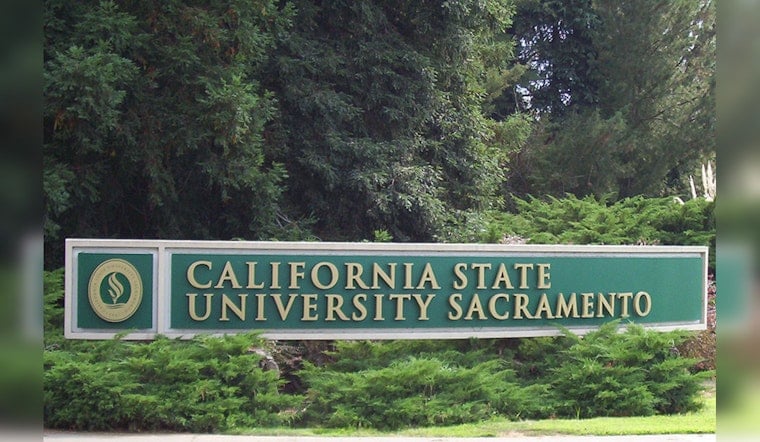
Mia Settles-Tidwell, the former chief diversity officer at Sacramento State, has sued the California State University Board of Trustees and President Luke Wood, accusing them of discrimination based on age, gender and race that she says drove her out of the job and harmed her career and health. Settles-Tidwell submitted her resignation in April 2024 and is seeking damages for lost wages along with emotional and physical stress. The lawsuit is currently pending in Los Angeles County Superior Court.
Complaint Alleges She Was Sidelined and Shamed in Public
According to a complaint first detailed by The Sacramento Bee, Settles-Tidwell says she was steadily pushed to the margins of the very work she was hired to lead. The suit claims she was cut out of committees and key documents tied to programs she helped design, received a smaller merit raise than her peers, and saw her hiring and budget powers removed, which she argues left her unable to do her job. The complaint also describes moments when she was allegedly rebuked or “berated” in front of cabinet-level colleagues and cites a text message from Wood that she says showed a different standard for her as a Black woman. Her attorney, Mainak D’Attaray, has called the pattern a “campaign of harassment and retaliation” and says they intend to pursue the claims in court.
From High-Profile Hire to Farewell Letter
Settles-Tidwell was recruited in November 2021 to serve as Sacramento State’s vice president for Inclusive Excellence, according to the university’s newsroom. In April 2024, she shared a farewell letter with The State Hornet, reflecting on her tenure before later publishing a book focused on how women of color navigate the workplace. After her departure, Michael Nguyen was tapped as interim leader of the Inclusive Excellence division while the university launched a national search for a permanent replacement.
CSU Pushes Back as Court Dates Line Up
The California State University system says it was not formally served with the lawsuit until March 2026 and plans to fight the allegations, a university spokesperson told The Sacramento Bee. CSU and Wood have asked the court to move the case from Los Angeles County to Sacramento County. A case-management conference is scheduled for next Wednesday, and a hearing on the transfer request is set for Sept. 8, according to the Bee. Settles-Tidwell’s legal team says it will oppose any move, arguing that a jury outside Sacramento is more likely to be impartial.
Broader Stakes for the CSU System
The lawsuit lands at an awkward moment for CSU, which is already facing questions about how it handles workplace equity. Earlier this spring, the system agreed to pay roughly $12 million to settle gender-harassment and retaliation claims at Cal State San Bernardino, local reporting shows. Coverage of that case and comments from the plaintiffs’ attorneys underscore how employment suits can lead to sizable payouts and spark institutional soul-searching. Those outcomes have intensified scrutiny of how CSU applies its own equity rules and deals with complaints, especially when they come from senior leaders.
What Happens Next in Court
Next Wednesday’s case-management conference will set the basic timetable for the lawsuit and could determine whether the transfer motion goes forward, a procedural step that will decide where, and in what context, discovery unfolds. If the suit clears early legal challenges, discovery could delve into personnel records, salary histories and internal communications that sit at the center of Settles-Tidwell’s allegations. Faculty organizations, alumni and community advocates are expected to track the case closely for clues about whether Sacramento State’s public talk about inclusion lines up with what happens inside its own offices.
Legal Framework and Possible Outcomes
The claims in Settles-Tidwell’s complaint typically fall under California’s Fair Employment and Housing Act, which bars workplace discrimination based on age, sex and race and is enforced by the state Civil Rights Department. Available remedies in such cases can include back pay and damages for emotional distress, and recent CSU settlements signal that both financial and reputational risks can be significant. The early battles over where the case is heard and how far discovery reaches will shape whether a jury or a judge ultimately weighs the contested facts.





