

























































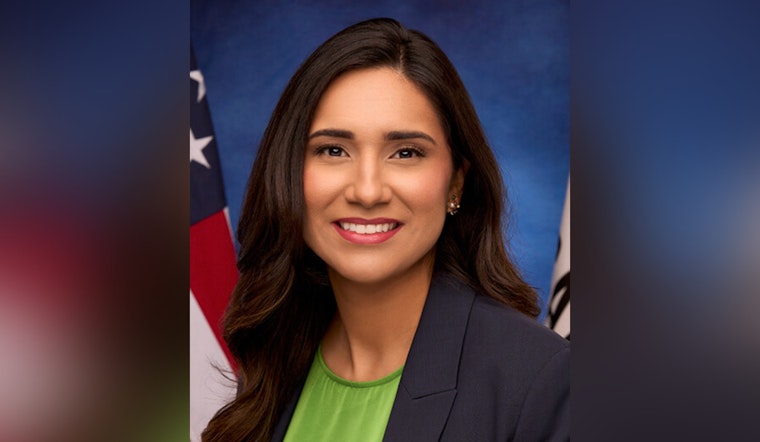
State Sen. Sabrina Cervantes has taken her fight with Sacramento from the streets to the courthouse, filing a civil-rights lawsuit Monday that accuses city police officers of fabricating evidence and twisting an investigation that followed a May crash near the Capitol. The case stems from a May 19, 2025 collision at 14th and S streets that ended with a suspicion-of-impairment citation. Cervantes’ team says later lab testing cleared her, and her lawyers now want a court to hold the city responsible for what they call a campaign of false public claims.
What the suit says
The 11-page complaint alleges that officers manufactured evidence, misled a judge to get a blood warrant, and submitted false statements to the Department of Motor Vehicles while leaking inaccurate accounts to the media. The lawsuit also ties those actions to politics, claiming officers retaliated after Cervantes sponsored legislation aimed at limiting police use of automated license-plate readers, according to ABC10.
Crash, citation and testing
On May 19, 2025, Cervantes’ state-owned vehicle was broadsided in Midtown Sacramento at 14th and S streets. She was taken to a hospital for treatment, where officers say they observed “objective signs” of impairment and cited her on suspicion of a drug-related DUI. After reviewing reports and laboratory findings, the Sacramento County District Attorney’s Office declined to file criminal charges, citing blood-test results that showed no measurable alcohol or drugs, according to The Associated Press.
Video and the evidence dispute
Cervantes’ legal team has released an edited compilation of surveillance and body-worn-camera footage that it says undercuts officers’ written accounts. The video includes clips that appear to show the other driver rolling through a stop sign, along with what the complaint describes as an unexplained five-minute gap in one officer’s body camera recording. Both the footage and the lawsuit allege that officers falsely reported a “chemical test refusal” to the DMV and left out mention of Cervantes’ injuries when they sought a warrant. KCRA reviewed and described the edited compilation.
Officials respond
Sacramento officials say the city cannot comment on pending litigation, and the police department has likewise declined to discuss the case while it is in court. The District Attorney’s Office told reporters that prosecutors reviewed “all submitted evidence” and ultimately found no basis to charge Cervantes after toxicology results came back negative, according to ABC10.
Legal claims and next steps
Cervantes first filed a formal government claim in September 2025, a required step before suing a public entity. After the city rejected that claim, her attorneys moved ahead with the civil-rights complaint that is now on file. The lawsuit seeks damages for false arrest, intentional infliction of emotional distress, and defamation, and repeats the allegation that officers targeted her over her work on automated license-plate reader reform. “Members of the Sacramento Police Department violated the law in an effort to destroy the reputation of an exemplary member of the State Senate,” her lawyer James Quadra said in a statement reported by CBS Los Angeles and summarized by CalMatters.
Why this matters
Beyond the fight between a state lawmaker and city police, the case touches a nerve in Sacramento’s ongoing debate over transparency. The crash and its aftermath have fueled public-records requests and renewed questions about when bodycam footage and investigative records should be released. Whatever the court decides about Cervantes’ specific claims, the lawsuit is likely to keep the spotlight on how Sacramento police communicate during high-profile investigations and whether existing rules on evidence and disclosure are strong enough, as noted in coverage by KCRA.



