

























































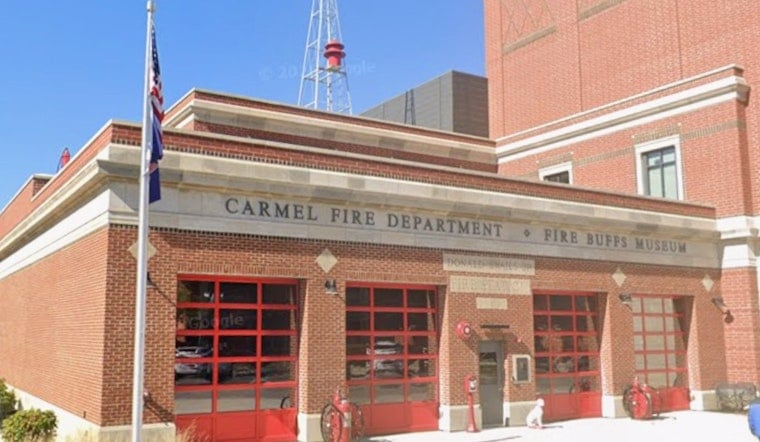
Carmel’s firefighters are gearing up to test helmet-mounted augmented reality this summer, with the city planning to roll out 16 AR helmets and four command tablets in a three-year pilot. Mayor Sue Finkam has told staff the program is estimated to cost about $375,000, funded through a local partnership with the Heroes Club. The head-mounted C-THRU systems, built by Qwake Technologies, layer thermal imaging and navigation cues over what firefighters see, helping crews move through heavy smoke while sending live video back to incident commanders.
According to WISH-TV, Carmel is one of only a handful of U.S. departments selected for early access to the C-THRU platform and expects to receive the first units by midsummer. Qwake’s Sam Cossman told the station the system pulls together multiple sensor feeds into a single image commanders can use in real time, while Carmel firefighter Tim Griffin described the in-helmet display as “it’s almost like a sci-fi movie.” The department plans to ease the new gear into both training and active responses over the coming months.
How the helmets work
The C-THRU Navigator bolts a rugged heads-up display and a suite of sensors onto a standard fire helmet and then overlays digital navigation prompts onto thermal and video imagery so that people and obstacles stand out in near-zero visibility, according to Qwake Technologies. Through the company’s Pioneer Program, participating departments also receive remote command consoles that stream live video from the helmets, support visual playback for after-action reviews, and come with three years of software, technical support, and training. Early field use, Qwake says, has pointed to faster primary searches and better orientation for newer firefighters who may not have as much time on the fireground.
What tests found
A Department of Homeland Security operational field assessment, summarized by Fire & Safety Journal Americas, concluded that C-THRU boosted situational awareness for crews and improved incident command visibility during simulated smoke drills. Evaluators also flagged tradeoffs, including concerns about helmet balance and fit, along with problems maintaining live video feeds in areas with weak cellular coverage. The DHS write-up recommended adjustments, such as larger and clearer mayday alerts and backup options for communications, before departments consider the technology a full stand-in for existing tactics and tools. Those caution notes are why agencies describe their early use as operational testing rather than a total gear overhaul.
Local rollout and cost
Carmel officials say the three-year pilot will be financed locally. Mayor Finkam told WISH-TV the city is teaming up with the Heroes Club, which is set to cover roughly $375,000 in program expenses. The department intends to assign the helmets primarily to interior search teams, while the command tablets will sit at incident command posts so chiefs can watch real-time helmet feeds and on-screen cues as they make tactical calls. The Heroes Club describes itself as a local nonprofit that backs Carmel’s first responders, and city leaders say the arrangement helps cushion the program’s impact on taxpayers.
Officials plan to track the pilot closely while Qwake continues adding Pioneer partners and building out the software’s capabilities. The company recently announced work on predictive intelligence tools that would sit on top of the AR platform and help incident commanders spot developing threats earlier, according to reporting in Firehouse. For now, fire chiefs stress that the AR helmets are meant as an extra stream of information, intended to support training, teamwork, and proven tactics rather than replace them. Carmel’s trial will be one of the first in the Midwest to see whether the tech can actually deliver the safety gains that vendors are pitching.



