

























































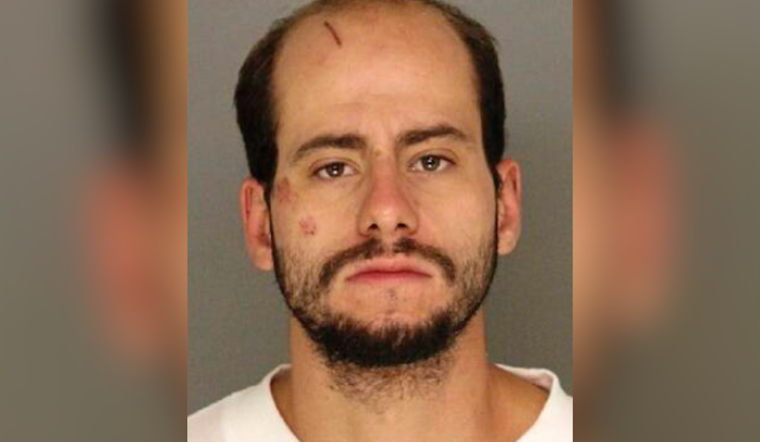
On Wednesday, a Carnegie man was sentenced to 15 to 30 years in state prison after pleading guilty to third-degree murder in the beating death of a 64-year-old woman found under the Mansfield Boulevard bridge last August. The sentence, the result of a plea agreement, angered the victim's family and put fresh focus on how the criminal justice system responds to violence against people experiencing homelessness.
Joseph Beraducci, 31, entered a guilty plea to third-degree murder and accepted a deal that called for a 15-to-30-year term. Judge Randal B. Todd presided over the hearing, where Allegheny County Assistant District Attorney Michael Borsch told the court that Beraducci "hit her until she stopped moving." Beraducci told the judge he was "extremely remorseful for what happened," and his defense attorney, Sarah McGuire, said he had been "like a different individual" since his return. Members of the victim's family told the court they were unhappy with the plea deal, according to TribLIVE.
First responders were dispatched early on Aug. 18, 2024, after someone beneath a bridge on Mary Street called for help. They found 64-year-old Barbara McKenna "severely beaten" and pronounced her dead at the scene. Police detained Beraducci at the location and charged him with criminal homicide, according to WPXI.
Court filings and hospital records show Beraducci was sent to Torrance State Hospital after his arrest and that he has been diagnosed with bipolar disorder and ADHD. According to the criminal complaint, the two had been drinking and got into an argument in the hours before McKenna's death, as reported by TribLIVE.
What Third-Degree Murder Carries in Pennsylvania
In Pennsylvania, a conviction for third-degree murder can carry a sentence of up to 40 years in prison, depending on statutory provisions and when the crime occurred. Judges, plea negotiations, and sentencing guidelines often result in lower, fixed ranges, like the 15-to-30-year term imposed in this case. As FindLaw notes, statutory changes and case law shape those maximums.
Aftermath
The sentence closes the criminal case but leaves McKenna's family with unanswered questions and a loss that a prison term cannot resolve. Advocates point to the particular vulnerability of people living outdoors, and local conversations are likely to continue about how to better protect and serve people experiencing homelessness.





