

























































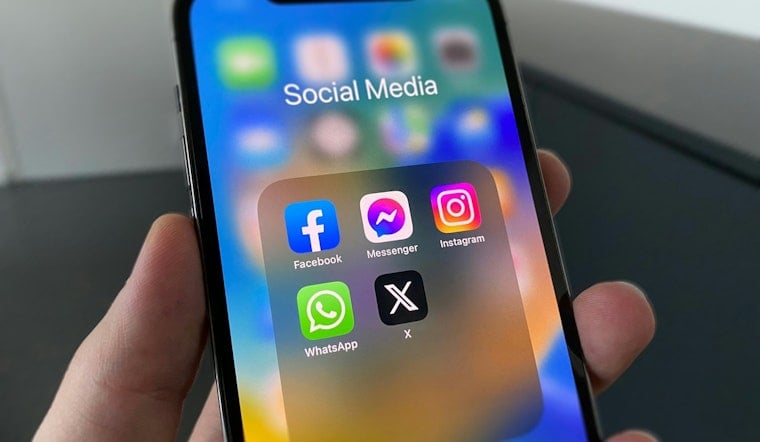
North Carolina lawmakers are edging closer to a sweeping crackdown on teen social media use, advancing a bill that would block kids under 14 from having accounts and require parents to sign off before 14- and 15-year-olds can log on. The proposal cleared a key Senate education committee on Wednesday and now heads deeper into the legislative maze in Raleigh, with supporters pitching it as a way to blunt addictive feeds and targeted algorithms and critics warning it could trample privacy and speech rights.
What the bill would do
According to the North Carolina General Assembly, House Bill 301, formally titled the "Social Media Protections for Minors Under 16" act, would prohibit social media platforms from allowing account holders younger than 14 and would require parental consent for users who are 14 or 15. Platforms would be required to terminate accounts that belong to children in those prohibited categories and to permanently delete personal information linked to those accounts, unless another law requires the data to be kept.
The measure would also give the N.C. Department of Justice authority to bring actions for unfair or deceptive trade practices. Civil penalties could reach up to $50,000 per violation, and minors affected by violations could seek damages of up to $10,000.
Where it stands in Raleigh
The bill scored a win on Wednesday when a Senate education committee issued a favorable report and re-routed the proposal to the Senate judiciary committee for its next review. As reported by WRAL, senators also tacked on a new requirement that the State Board of Education update computer science standards so that they include instruction on artificial intelligence.
House lawmakers already passed the bill in May 2025 by a lopsided 106-6 vote. Sponsors say the fresh committee action in the Senate improves the odds that the full chamber will get a crack at the measure this session.
Supporters, platforms and critics
Backers frame HB 301 as a child protection measure. Rep. Jeff Zenger, the bill's sponsor, told colleagues that social media can be "the number one tool for predators to go after our children," while Sen. Jay Chaudhuri argued that teachers are now competing with social media algorithms for students' attention, according to WUNC.
A lobbyist for Meta told the Senate committee that the company supports app store age verification and has been working with bill sponsors on how to make the requirements actually function in practice. Opponents, including free speech advocates, counter that the legislation could chill teens' expression and force intrusive age and identity checks that raise thorny privacy trade offs.
Legal questions and national context
Civil liberties organizations are already signaling potential legal battles if HB 301 becomes law. The ACLU of North Carolina has criticized broad age based limits on access to social media and raised alarms about both speech and data collection concerns, per the ACLU of North Carolina.
Similar efforts in other states have not had a smooth ride in court. In Arkansas, a federal judge recently issued a temporary block on that state's social media law targeting minors, illustrating the kind of constitutional scrutiny North Carolina could face, as reported by Axios.
Next steps
HB 301 still has to clear two more Senate committees before it can head to the Senate floor for a vote. If it passes there, the bill would then move to the governor for consideration. The official bill history shows that it cleared the House in May 2025 and was re-referred to the Senate Education/Higher Education Committee on April 27, 2026, which keeps it alive for the current session, according to the North Carolina General Assembly.
If enacted, the law would drop significant new compliance responsibilities on social media companies and likely intensify the broader fight over how states try to balance child safety on the internet with free expression and privacy protections.





