

























































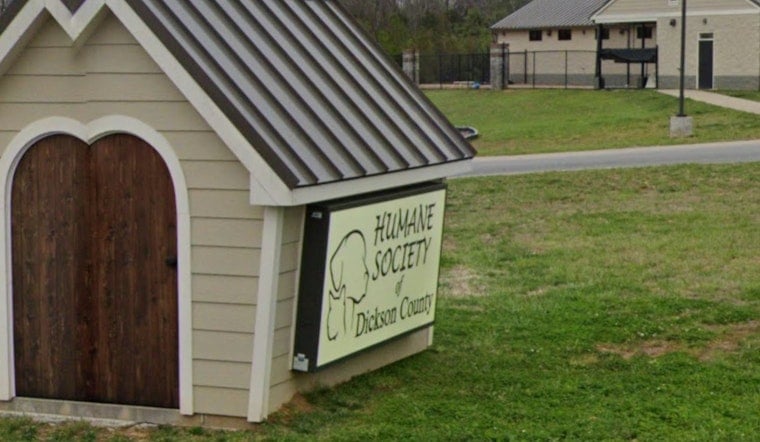
What started as a weekend call to a Dickson County property quickly turned into a full-blown cat crisis, as volunteers and animal-control officers removed 130 cats, including 62 kittens under five weeks old. The Humane Society of Dickson County says the sudden mass intake has maxed out local rescues and left many of the animals in urgent need of medical care.
According to WSMV, the Humane Society reported that nearly every cat and kitten pulled from the property was fighting a severe respiratory infection. Of the 130 felines, 62 were tiny kittens under five weeks old. Partner groups Last Chance Pet Rescue and Saving Kitten Sanctuary stepped in to absorb some of the influx, while organizer Trisha David helped coordinate the rescue and logistics. The Humane Society also outlined donation options and urged monetary support to keep up with mounting vet bills and medications.
What crews found
Rescuers arriving on scene described a chaotic situation, with crowded spaces and sick animals everywhere. Nearly all of them were ill and five exhausted mother cats were trying to nurse dozens of kittens, according to WSMV. Many of the youngest kittens will need around-the-clock bottle feeding, antibiotics and close monitoring just to get through the next few weeks. Volunteers worked in triage mode, pulling out the sickest animals for immediate care and sending others to foster homes and partner shelters where they could stabilize.
How to help
The Humane Society is asking the community to step in. The group says it urgently needs kitten food, canned wet food and cat litter, and it is accepting financial donations through its donation page to cover veterinary costs and medications. Fosters who can take nursing mothers or fragile kittens are especially critical right now, and the shelter’s foster sign-up includes details and a contact form for anyone who can help.
The Humane Society lists its address and hours on its website for those arranging supply drop-offs or looking to volunteer in person. Local volunteers and partner rescues remain involved while veterinarians continue to triage and treat the sickest animals. Shelter leaders say the next few weeks will be crucial, determining how many of the 130 cats can be stabilized and ultimately placed in new homes.





