

























































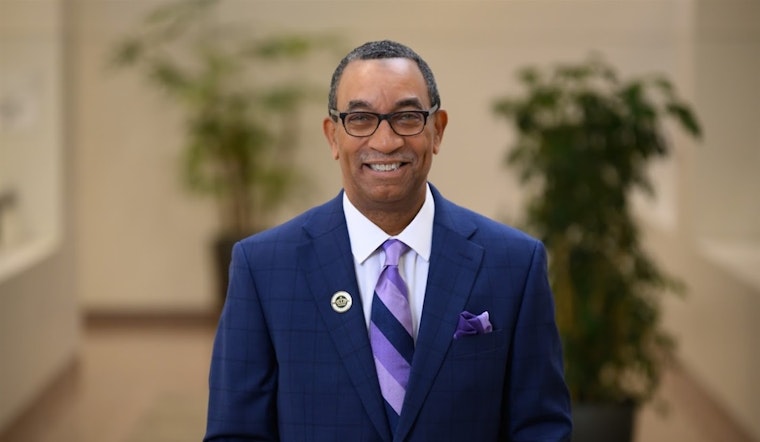
Charlotte City Council is mulling a plan that would put elected officials directly in the room when the city grills would-be contractors, a move supporters frame as added oversight and critics see as reopening old conflict-of-interest scars. The proposal, led by Mayor Pro Tem James Mitchell, would add one or two council members to the finalist interview stage, while city staff would still handle shortlisting the vendors. The committee working on the idea is expected to return with a more detailed version in May or June.
What the committee would change
Under the plan, council members would rotate through project selection committees and sit in on interviews with shortlisted firms. Staff would still decide which companies make the cut and would bring a single recommended vendor to the full council for a final vote. As reported by the Charlotte Observer, backers say the change is meant to tighten elected oversight as Charlotte’s list of public projects keeps growing.
A familiar precedent
The city is not new to interview-style selection. Most recently, council-run panels interviewed finalists for seats on the proposed Metropolitan Public Transportation Authority. That process, posted on the city’s website, is the template supporters point to when they argue that council members joining interview panels is not some wild new experiment. For that example, see the City of Charlotte’s MPTA interview posting: City of Charlotte.
A sensitive backstory
The push is being driven by Mayor Pro Tem James Mitchell, whose political return after a high-profile private-sector stint has been rocky. Mitchell resigned from council in January 2021 after taking a leadership role at R.J. Leeper Construction, a company that does business with the city, an episode that sparked lingering ethics questions. Axios has previously laid out the controversy around Mitchell’s departure and his path back into local office.
Conflict worries and the city's legal view
City attorneys and other officials have warned that elected officials should not serve on selection committees or interview panels, a warning that hangs over the proposal as it moves through the process. The Charlotte Observer reports investigators found Mitchell stopped profiting from R.J. Leeper after defaulting on a loan, and that city spokesman Jack Vandertoll said the current discussion "does not reverse the city's previous stance" while offering a way to "close out the conversation." The paper also notes that voters approved a 1% sales-tax increase in November, which city leaders say will expand the volume of contract work the city has to oversee.
What critics say
Opponents argue that rotating council members onto interview panels risks politicizing the procurement process and could scare off vendors worried about political pressure creeping into what is supposed to be a technical review. Reporting from WFAE highlights recent friction between the city attorney’s office and staff over economic-development deals, underscoring how tricky it can be when legal advice, staff negotiations and elected officials’ priorities all collide.
Next steps
The Economic Development and Workforce Committee plans to come back in May or June with a more detailed proposal, potentially spelling out safeguards such as rotating assignments and recusals for any council member with a conflict. If the change advances, staff would still control shortlisting and technical scoring, while council members would be added to the interview stage. The timing for when, or if, the full council will vote on the idea is still unclear.
Why it matters
For residents and local contractors, the proposal would shift a slice of influence over who wins city work away from staff alone and toward elected officials, just as Charlotte expects more public projects to hit the pipeline. The committee’s next packet, which is expected to spell out what kinds of contracts would be covered and what guardrails would apply, will determine whether this turns into a modest tweak to oversight or a move that raises fresh questions about the integrity of the city’s procurement process.




