

























































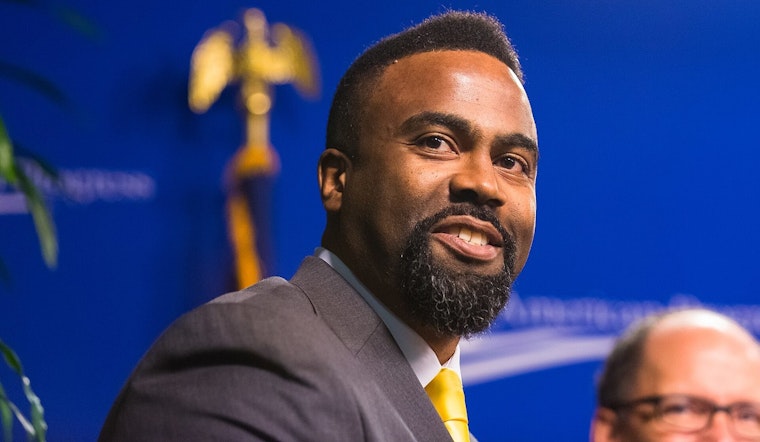
A new nonprofit law firm in Charlotte is getting into the business of second chances, promising to help people with felony convictions get their lives - and their votes - back on track.
The Second Chance Federation, which opened Friday, was created to help clients reclaim driver’s licenses, lower court fines and restore the right to vote. The group plans to pair hands-on legal help with policy advocacy aimed at loosening rules that tie ballot access to unpaid debt and ongoing supervision. Executive director Daryl Atkinson will lead the effort, and organizers say the group will work directly with formerly incarcerated clients across the region. The launch lands at a moment when courts and election officials are still sorting out how and when voting rights should be restored after felony convictions.
In a post announcing the move, Forward Justice said the Second Chance Federation and a companion advocacy arm will operate under fiscal sponsorship from the Louisiana nonprofit VOTE, with a mission to "support the restoration of civil and human rights" through legal services, organizing and policy work. Forward Justice described the split as a way to expand capacity and sharpen its own litigation focus while the new entities handle more community-facing services.
K104.7 reported that Atkinson has practiced law in North Carolina for 18 years and previously spent nearly four years in an Alabama Department of Corrections facility in the mid-1990s. K104.7 also relayed Atkinson's remark, reported via WCNC, that "there are over 19 million people in this country who have been convicted of felonies," a number he used to highlight just how many people are kept out of the voting booth.
What The Firm Will Do
The Second Chance Federation plans to focus its legal assistance in three everyday pressure points: resolving court fines and fees, restoring suspended driver’s licenses and filing petitions to regain voting eligibility. Forward Justice says the group will combine those case-by-case services with leadership development and statewide advocacy, hoping that individual wins can feed into broader policy change. Organizers describe the work as a mix of direct representation and strategic litigation when a case could help clarify the law.
State Law That Blocks Ballots
Under current North Carolina practice, people convicted of felonies must fully complete their sentences, including any jail time, probation or parole, and pay off court-ordered fines and fees before they are allowed to register to vote, according to the State Board of Elections. The State Board has issued guidance to both voters and officials spelling out those limits on eligibility, even as litigation over whether those rules are constitutional has moved through state and federal courts in recent years. The issue drew statewide attention after a trial court temporarily expanded eligibility for thousands of people, a decision that set off appeals and a split in the courts, according to reporting by The Associated Press.
Why Advocates Say Fines Are A Barrier
Atkinson argues that conditioning the right to vote on the payment of fines effectively creates a "pay-to-vote" system that falls hardest on low-income people and Black communities, a point he repeated in local coverage. K104.7 noted his call for policy changes that would let people on community supervision participate in elections. Advocates say tying civic participation to financial obligations can stretch disenfranchisement out for years, since court debt and other legal financial obligations often slow or block reentry and long-term stability.
Legal Implications
The launch puts a new legal-services provider on the ground just as the restoration rules remain contested in court, with past cases producing conflicting rulings on whether North Carolina may require payment of fines as a condition for voting. Reporting by The Associated Press and other outlets traces a recent run of trial-court wins, appeals and a state supreme court decision that narrowed earlier expansions. Lawyers say the Second Chance Federation's blend of casework and policy advocacy could generate new test cases that further define where the law stands in North Carolina.
Atkinson has said he wants to take the fight nationwide, combining direct client work with strategic litigation to press for legal changes outside North Carolina as well. For now, the federation is starting client intake in Charlotte while its leaders build partnerships across the state and the broader region.



