

























































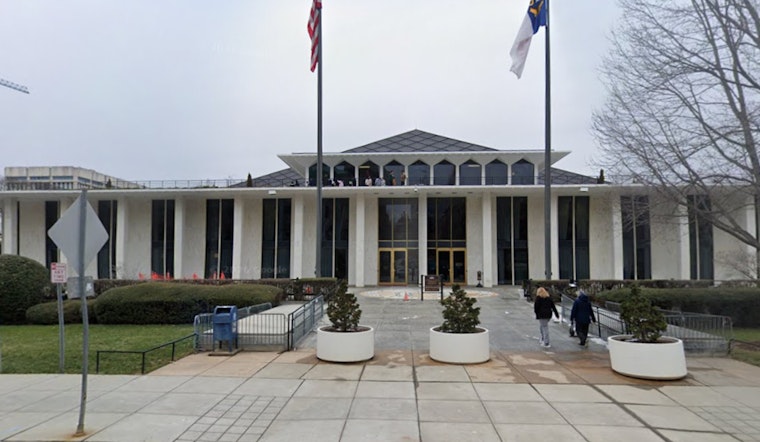
Two Charlotte-area state senators are pushing a pair of education bills that would put clear legal distance between immigration enforcement and the schoolhouse door, while also tightening the rules for school resource officers. Filed April 22, 2026, in the state Senate, the Safe Schools and Educational Access Act and a separate School-Based Complaint/SROs bill are pitched as ways to keep students in class and spell out exactly how law enforcement should operate on campus.
Safe Schools and Educational Access Act would bar most enforcement on campuses
Senate Bill 820 would forbid immigration authorities from carrying out enforcement actions on K–12 campuses, community college property and UNC institutions unless they show a judicial warrant or court order, according to the filed bill text on the North Carolina General Assembly website. The proposal would also prohibit schools from requiring immigration documentation for enrollment.
The draft bill creates a limited-English-proficient allotment and includes a recurring $181 million appropriation to the Department of Public Instruction beginning in the 2026–27 fiscal year, intended to expand services for multilingual learners. Those provisions, along with the list of bill sponsors, are laid out on the bill page at the North Carolina General Assembly.
School resource officers: training and complaint rules
Senate Bill 825 would spell out who officially counts as a school resource officer and would require both initial and ongoing SRO training on mental health response, students with disabilities, racial equity, crisis intervention and de-escalation. The bill sets deadlines in 2027 for creating those standards and completing the required training.
Under SB 825, an SRO could not send a school-based delinquency complaint straight to juvenile court. A school administrator or school social worker would have to sign off on any such complaint before it is filed. The measure would also create a School Resource Officer Critical Needs Grant Program to help school units pay for the new requirements. Filing summaries and sponsor information for SB 825 are available through tracking services such as FastDemocracy.
Sponsors and next steps at the General Assembly
Both bills were filed on April 22, 2026. SB 820 lists Sens. Caleb Theodros and Natalie Murdock as primary sponsors, while SB 825 was filed by Sen. Mujtaba Mohammed, with Sen. Joyce Waddell among the cosponsors.
For now, the measures carry a "Filed" status and will need committee assignments and hearings before they can move. The initial local report that drew attention to the new proposals appeared on WCNC. The SB 825 filing is posted on the North Carolina General Assembly site, while WCNC has the early coverage.
Legal context
The Safe Schools bill explicitly cites Plyler v. Doe and the state constitution's promise of a "sound basic education" as part of its case for sharply limiting immigration enforcement in learning spaces. Plyler, a 1982 U.S. Supreme Court decision, held that states may not deny public K–12 education based on a student's immigration status.
The bill's reference to "protected locations" mirrors long-standing federal guidance on "sensitive locations" where immigration enforcement is generally limited. Legal analysts note that if state-level protections collide with federal enforcement decisions, the clash could produce test cases in court. For a full look at the Supreme Court precedent, see the Plyler decision on FindLaw.
If enacted, the two measures would force day-to-day policy changes for school districts and could significantly reshape how schools juggle student privacy, access and law-enforcement partnerships. Lawmakers, school officials and community groups will all have a chance to weigh in as the bills work their way through General Assembly committees.





