

























































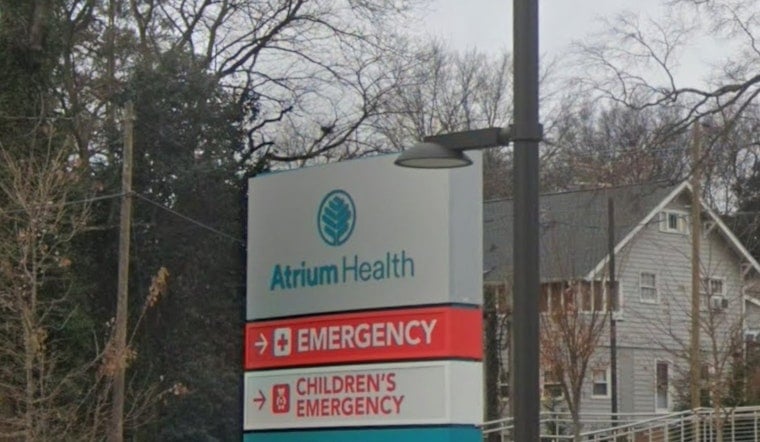
Atrium Health is moving to lock in a major foothold in the Triangle, unveiling a proposed combination with Raleigh-based WakeMed that carries a $2 billion capital commitment, about 3,300 new jobs and an expansion of services to roughly 1 million North Carolinians. Under the deal, WakeMed would be restructured into a single-member nonprofit with Atrium as the sole member, and the partners say they want to build what would be the state’s largest nonprofit mental health network. Wake County commissioners are slated to weigh in on the required changes at a May 4 meeting, and if they sign off, the agreement would head into a multi-month regulatory review.
The announcement dropped Friday afternoon and was billed as a once-in-a-generation play for the region. Advocate Health CEO Gene Woods called it “one of the largest health care commitments this region has ever seen,” according to The Charlotte Observer. Atrium, part of the national Advocate Health system, says the combination would widen its footprint across North Carolina and pour new resources into behavioral health. Company leaders say the money would bankroll new facilities and services, with a structured integration process to follow after regulators finish their work.
What's in the county paperwork
Behind the press releases, the legal nuts and bolts are spelled out in the Wake County agenda packet posted on the county’s Legistar site. The documents show WakeMed’s board unanimously approved a restructuring that would convert the system into a single-member nonprofit, with Atrium as the member and a $2,000,000,000 capital commitment on the table, according to Wake County Legistar. The filing keeps eight county-appointed seats on WakeMed’s 14-member board and restates the system’s obligations to provide indigent care, along with the county’s reversionary interests if things go sideways.
The county paperwork is also clear that local approval is only the first hurdle. Any green light from commissioners is explicitly conditioned on completing all required federal and state regulatory reviews before the deal is finalized, according to Wake County Legistar.
Oversight and competition concerns
The size of the proposal is already drawing heat in Raleigh and beyond. State watchdogs and policymakers have signaled they will scrutinize the transaction, with North Carolina Treasurer Brad Briner urging Attorney General Jeff Jackson and the Federal Trade Commission to review how the deal might affect competition, as reported by North Carolina Health News. Research and past cases show hospital consolidation can drive prices higher even when systems pledge better access, and some analysts warn this agreement could further concentrate market power in a network that already stretches across multiple states.
Atrium and WakeMed push back on that narrative, arguing the move is about shoring up WakeMed’s finances as costs climb and payment policies keep shifting. They frame the combination as a way to stabilize a local system under pressure, rather than a simple power grab.
Local jobs and mental-health expansion
On the ground, the companies are selling the deal as a jobs and services win. Internal materials say the combination would generate about 3,300 new health care jobs and significantly expand mental health services statewide, reaching roughly 1 million residents, according to The Charlotte Observer. WakeMed leaders cast the move as a way to protect and grow services in Wake County, while Atrium is touting added capacity and more specialty care across both the Triangle and Charlotte markets.
Critics are less dazzled by the headline numbers, warning that new jobs and expanded services in similar deals often roll out slowly, in phases, and can take years to fully materialize.
What happens next
For now, all eyes are on the Wake County Board of Commissioners, who are scheduled to vote on the proposed amendments at their May 4 meeting. The county packet notes that any approval they grant will still hinge on federal and state regulators signing off and on final contract execution, according to Wake County Legistar. If the board agrees to move forward, the deal would shift into a formal integration process and what the companies describe as a months-long regulatory review.
At the same time, state officials and federal agencies could launch their own deep dives into the proposal, with a particular focus on competition, pricing and how indigent-care commitments will be honored once Atrium is in charge.
Broader context
Analysts say the Atrium-WakeMed play is part of a wider consolidation wave in North Carolina, as smaller or mid-sized systems look for bigger partners to help cover rising operating costs and shrinking margins. North Carolina Health News notes that a federal change known as H.R. 1 is expected to cut Medicaid reimbursement over the next decade, a long-term squeeze that makes affiliations and mergers more attractive for financially thin providers.
Observers say regulators now face a familiar balancing act. In the short term, the deal could boost access and create much-needed behavioral health capacity. Over the long haul, though, officials will have to decide whether those gains outweigh the risks that come with putting more of North Carolina’s hospital beds under a single corporate umbrella.



