

























































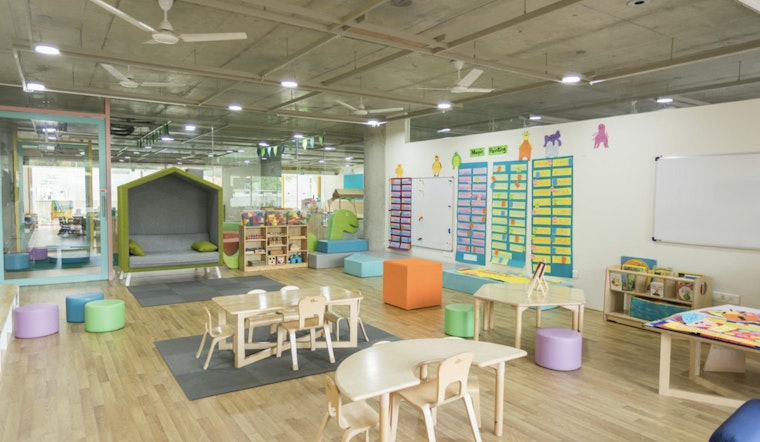
New York City is cutting nearly $100 million worth of rent checks for preschool classrooms that no child has ever used, even as parents jockey for scarce 3‑K and Pre‑K seats close to home. The idle spaces, scattered across Manhattan, Brooklyn and Queens, have turned into a political headache for City Hall and a sore spot for families who see locked doors where they expected opportunity.
According to New York Post reporting, the city has shelled out about $99.3 million in rent and utilities for 28 vacant preschool facilities. That total covers long‑running lease agreements and ongoing utility bills for sites that have yet to open as functioning classrooms. City officials told the paper they are now reviewing the full portfolio of unused sites and weighing what to do next.
The spending lands on top of a fast‑growing early‑childhood budget. The Office of the New York City Comptroller notes that the Department of Education’s early‑childhood education budget was roughly $2.49 billion in FY2026 and is projected to rise again in FY2027, which only heightens pressure on officials to show that both capital projects and day‑to‑day costs are delivering real seats for real kids. Advocates say that makes the empty‑room tab feel especially wasteful, and the comptroller’s analysis frames the vacant facilities as a preventable drag on an already ambitious expansion effort.
Where the Money Went
The tally is not just an abstract line item. Reporting flags several big‑ticket examples of space that looks ready for children but is not serving any. The Post found that a planned Upper East Side site at 1010 Third Ave. has generated roughly $6 million in lease costs to date, on top of significant lighting and repair work. A Columbia Street waterfront location at 129 Van Brunt St. has logged about $5.8 million in construction spending since 2022 without opening its doors. Other sites, including an Atlantic Avenue lease and a Union Turnpike build‑out, have racked up years of rent and energy bills while remaining dark.
Demand and Neighborhood Frustration
Meanwhile, nearby programs are packed. Parents describe filing dozens or even hundreds of applications that compete for a tiny number of local seats, and advocates point to the city‑controlled empty rooms as the most obvious pressure valve. Mayor Zohran Mamdani has announced more than 1,000 new 3‑K seats across dozens of ZIP codes as part of a wider child‑care push that also includes a 2‑K pilot, according to ABC7. Even so, neighborhood groups and some councilmembers are demanding firm timelines for turning already leased or renovated locations into working classrooms so families are not left hanging year after year.
City Response and Oversight
City Hall says those long‑idle preschool sites are under active review as part of the administration’s broader early‑childhood expansion and that detailed plans will be released once timelines and approvals are locked in, according to a mayoral press release outlining the 3‑K and 2‑K rollouts. The mayor’s office presents the effort as a balancing act, promising to expand access while ensuring each site is ready and aligned with community needs. On the other side, advocates and budget watchdogs argue that council hearings and formal audits should produce clear opening dates so rent payments finally translate into classroom seats.
For families trying to juggle child‑care costs, jobs and long waitlists, the sight of freshly renovated but shuttered preschool spaces is more than a quirky budget story. City officials say they are racing to sync new openings with neighborhood demand. Parents and local representatives counter that the clock has already been ticking, and every month of empty classrooms is a month children are missing out.





