

























































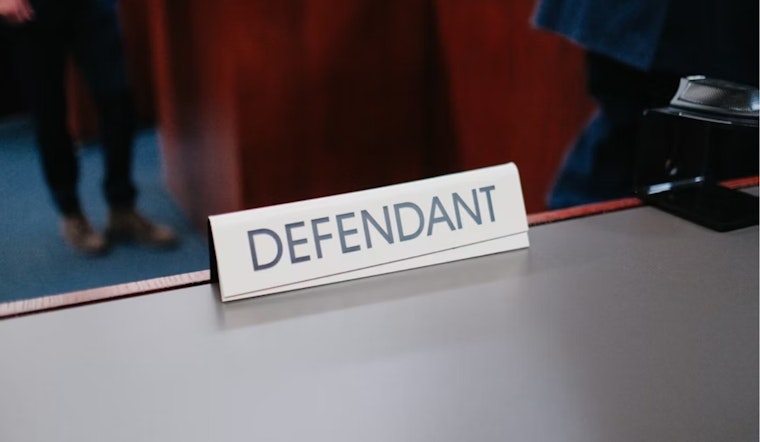
A Northeast Ohio defendant accused of severe animal cruelty ended up convicted only on misdemeanor counts under Goddard's Law, a result that has animal-welfare advocates furious and wondering how the state's marquee anti-cruelty statute did not produce felony charges. The case has kicked up a heated local debate over charging decisions, evidentiary standards, and whether the law on paper truly delivers tougher punishments in practice.
According to FOX8, the Northeast Ohio defendant was convicted on misdemeanor counts instead of felonies, and local advocates told the station they were stunned by the outcome. Their reaction highlights a pattern that has become familiar in the region: even with Goddard's Law in place, a felony result is far from guaranteed.
How Goddard's Law Works
Goddard's Law appears at Ohio Revised Code §959.131, which makes it a fifth-degree felony to "knowingly" cause serious physical harm to a companion animal. The statute also spells out that a "companion animal" includes any dog or cat, no matter where it is kept, a detail that courts and statutory summaries have repeatedly emphasized.
Why Prosecutors Sometimes Stick With Misdemeanors
To secure a conviction under the felony provision of Goddard's Law, prosecutors must prove that a defendant acted "knowingly" and that the animal suffered "serious physical harm." Legal guides note that those elements can be tough to establish without solid medical or forensic proof. As Lawyers.com explains, those evidentiary challenges, combined with routine plea bargaining, often push cases down to misdemeanor charges. The Ohio Supreme Court's October 2024 decision holding that the law also covers stray dogs and cats expanded which animals are protected, but it did not lower the evidentiary bar prosecutors must clear, as Cleveland 19 reported.
Advocates Press For Change
Local animal-welfare organizations say this latest outcome exposes gaps in how the law is enforced and are calling for clearer charging standards, stronger investigative tools, and targeted tweaks to the statute so that the worst cases are more likely to result in felonies. Groups such as PAWS Ohio and other advocates have pushed for stronger reporting obligations and proposals like an abuser registry aimed at keeping repeat offenders from continuing to harm animals.
Legal Implications
Under the statute and related legal summaries, a fifth-degree felony under Goddard's Law can mean up to 12 months in jail and fines of as much as $2,500. Misdemeanor convictions carry far lighter penalties and far fewer collateral consequences, a gap that goes a long way toward explaining advocates' frustration. The difference between a felony and a misdemeanor, from potential jail time to future limits on animal ownership, is substantial and frequently drives calls for different charging strategies, according to legal code commentary and statute texts available online via Justia.
What To Watch Next
Some prosecutors' offices in the region are testing a more specialized approach. Cuyahoga County has launched an animal-crimes prosecution unit designed to centralize investigations and charging decisions, an effort Spectrum News covered. Advocates say they will be watching closely to see whether these specialized teams translate into more felony filings or different plea outcomes in future animal cruelty cases.
For now, the Northeast Ohio case serves as a pointed reminder that statutory language alone does not guarantee a felony. Proof, resources, and prosecutorial judgment still control how Goddard's Law gets used. Animal-welfare groups argue that the answer lies in clearer charging guidance, stronger investigations, and targeted policy fixes so that the law more consistently delivers the penalties voters believed they were getting.





