

























































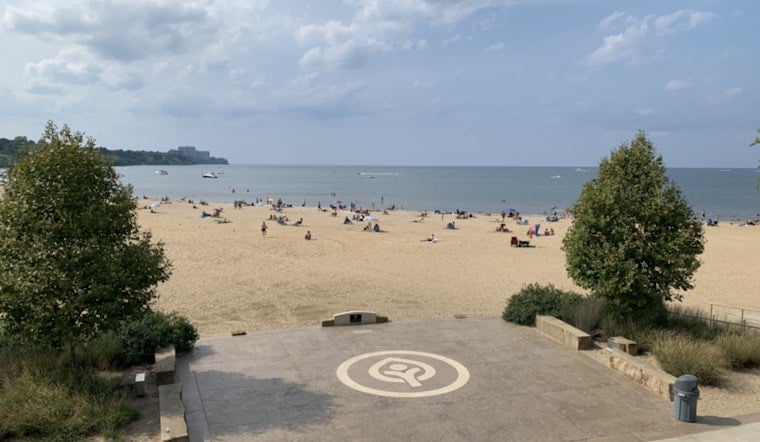
Edgewater Beach is one big step closer to shedding its sewage problem. The Northeast Ohio Regional Sewer District has pushed its Edgewater Beach surge tunnel plan into full design mode, with the goal of keeping untreated wastewater off the sand and out of Lake Erie during heavy rains.
The short, rock cut tunnel is meant to give storm driven surges somewhere else to go so the system does not blast excess flow out of the beach outfall when the skies open up. District officials say the project will take several years from design through construction and will be tested before it is folded into day to day operations.
To get there, the district has hired Delve Underground to produce detailed designs, approving nearly $4 million for design services and pegging total construction costs at about $18.5 million. The average customer would see roughly a 1.5 cent per month charge tied to the work, according to Cleveland.com. District leaders describe the project as a surgical fix focused on the Edgewater outfall instead of another massive, multi mile storage tunnel.
How the tunnel will work
The Edgewater Beach Surge Tunnel is being planned as a rock bored conduit that will give the Northwest Interceptor some breathing room during big storms, so the overflow gates that send flow toward Edgewater are far less likely to open.
Bid request documents describe a tunnel alignment of roughly 1,350 feet with an internal diameter of about 10 to 12 feet. The plan also calls for diversion structures, a drop shaft and a junction chamber to steer flows inland toward the Westerly plant for treatment. Instead of acting as a long term storage tank, those features are meant to absorb and redirect surge forces and shorten the time excess flow is in the system.
Technical readers can find more detail in the project RFP listing on ConstructConnect.
Where the problem came from
The combined sewer outfall at Edgewater dates back to the late 1880s and, before modern controls, was a chronic source of untreated discharges. Historical notes from the Sewer District indicate the outfall was activating roughly 40 to 50 times per year in the mid 1970s.
More recent monitoring shows that the specific regulator serving the beach, known as CSO 069, has still been active multiple times in some years. When similar nearby regulators are included, the district counts about two dozen activations over the last decade. The district's 2024 beach monitoring report lists annual CSO activations and volumes at Edgewater and surrounding outfalls, and NEORSD’s own background on the Edgewater effort provides the historical context behind those numbers.
Those episodic activations, concentrated during heavy storms, are exactly what the surge tunnel is supposed to reduce.
Cost and timeline
NEORSD spokeswoman Jenn Elting told reporters that construction and commissioning together are expected to take about three and a half years and that “testing will commence after project completion to determine performance,” according to Cleveland.com.
District officials say the modest monthly charge for ratepayers would be folded into existing Project Clean Lake financing. The plan is to verify, through testing, that the tunnel prevents beach directed discharges before it is placed into routine service.
What neighbors should expect
Design work now underway will lead to bid documents and construction planning in the coming months. The exact locations of shafts and staging areas will dictate how much short term traffic and access pain neighbors feel.
Local residents and businesses should be prepared for temporary staging zones, intermittent lane shifts and localized detours that will look familiar to anyone who has lived through other Project Clean Lake tunnel jobs. Coverage of NEORSD’s larger tunnel projects offers a preview of the typical neighborhood disruptions and mitigation measures the district uses during construction, and recent local reporting has documented how those have played out elsewhere.
The Sewer District plans to post design documents and bidding schedules as the work advances, and it will keep up daily beach monitoring during recreation season so swimmers have current water quality information. NEORSD’s beach reports and the district’s Project Clean Lake pages will carry updates as the Edgewater Beach Surge Tunnel moves from design into construction.





