

























































During a family movie night in November 2020, Dr. Sara Whittingham felt a subtle tremor in her arm and chalked it up to stress or exhaustion. By the very next day, she had seen a neurologist and learned the tremor was Parkinson's disease, a diagnosis she later called "a gut punch" that upended the future she thought she had mapped out.
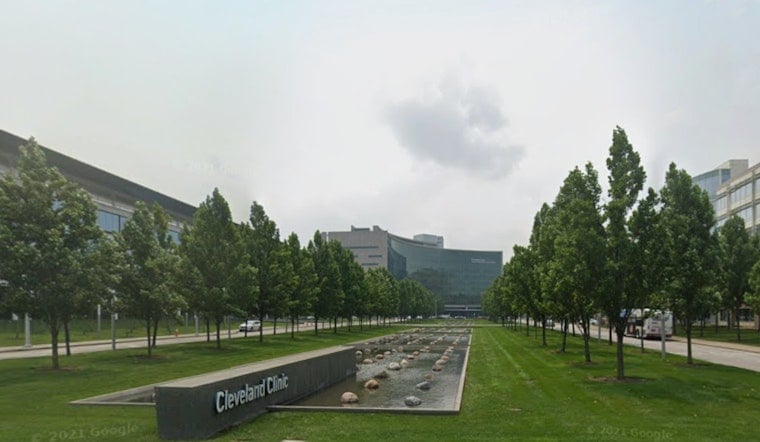
Whittingham, an Air Force veteran, mother, and anesthesiologist who moved to Ohio from Utah, soon began telling a different kind of story, one built around exercise instead of fear. As reported by CBS News, she enrolled in a Cleveland Clinic cycling study and described the program as "a lifeline" as regular riding eased her symptoms and helped restore her confidence.
How the cycling prescription works
Researchers at the Cleveland Clinic say intensive, high cadence cycling appears to trigger brain activity changes that act a bit like medication and may slow motor decline. Dr. Jay Alberts, who leads the CYCLE trials, has outlined an "exercise prescription for Parkinson's disease" that looks a lot like a training plan: roughly 75 revolutions per minute for 30 to 40 minutes, three times a week. Early lab studies and focused eight-week interventions have shown measurable motor and cardiovascular gains, and investigators are now watching to see whether those improvements hold up over time. According to the Cleveland Clinic, the strategy grew out of years of pilot work in clinic labs.
What the trials are testing
The follow-up research has moved beyond short lab sessions into year-long, pragmatic trials that send people home with stationary bikes and remote monitoring tools to see if benefits persist in real life. A clinical trial overview on PubMed Central details studies that randomize people with early Parkinson's to structured aerobic cycling versus usual care, then track motor scores, cognition, and quality of life over 12 months. The work is funded by the NIH and is aimed at turning lab successes into community-based programs that patients can stick with outside a hospital setting.
From diagnosis to Ironman and national advising
For Whittingham, that research program became a springboard. She went on to complete the VinFast Ironman World Championship in Kona on Oct. 14, 2023, then took part in Paralympic qualifying events. The Cleveland Clinic has spotlighted her path as a case study in how medicine and disciplined exercise can work together to preserve function. In April, she stepped into a policy role as well, joining the federal Advisory Council on Parkinson's Research, Care and Services, a panel created under the National Plan to End Parkinson's, as noted by Northeast Ohio Medical University.
Local options and next steps
Cleveland area patients interested in structured cycling are urged to talk with their neurologist first about intensity, safety, and any medical red flags, since the trials rely on monitored cadence and heart rate targets. Foundations and groups such as the Davis Phinney Foundation offer startup guides for "Pedaling for Parkinson's" community classes, and the Cleveland-led studies are specifically testing whether those community classes can match lab results. As Whittingham told CBS News, "Set the most outrageous goal" - the real target is sustained movement, connection, and purpose, not necessarily crossing an Ironman finish line.





