

























































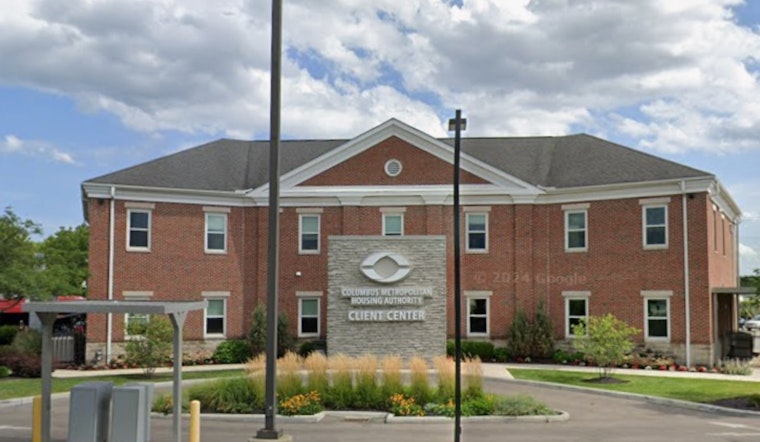
The Columbus Metropolitan Housing Authority is steering more than $41 million into a top-to-bottom renovation of Walnut Grove, a townhouse-and-single-family rental complex in the Blacklick area on Columbus’ far east side. The goal is to modernize aging units while locking in long-term affordability for the families who live there. CMHA says it will team up with the nonprofit that manages the property to carry out the full-scale rehab.
As reported by The Columbus Dispatch, CMHA’s investment tops $41 million and will support renovations at Walnut Grove as part of a wider effort to use public financing to preserve rental affordability across Franklin County. Local officials have emphasized that this is a preservation-focused rehabilitation, not a conversion to market-rate housing or a wholesale redevelopment.
Who owns Walnut Grove and what will change
Preservation of Affordable Housing (POAH) acquired Walnut Grove in 2019 and now manages the community, according to Preservation of Affordable Housing. POAH’s materials describe Walnut Grove as a multi-building campus of townhomes and detached single-family rentals, with many three- and four-bedroom layouts and on-site community space. The nonprofit says the planned rehab will keep those family-sized floor plans in place while upgrading interiors, building systems, and shared areas.
Scope and state filings
State project documents submitted to the Ohio Housing Finance Agency describe Walnut Grove as roughly 175 to 176 units spread across dozens of buildings and call for a full modernization to address water infiltration, replace aging systems, and improve energy performance. The OHFA filings show the renovation is structured with Low-Income Housing Tax Credit financing and other preservation funds to pay for the work. The application also notes that the complex serves a large number of family households and that protecting the supply of three- and four-bedroom units is a local priority.
Financing and CMHA’s preservation push
In recent years, CMHA has leaned on a mix of bonds, project-based vouchers, and partnerships with nonprofit owners to keep units affordable, a strategy described in the authority’s board materials and press releases. One recent CMHA board release detailed multi-million-dollar bond and PBV allocations meant to preserve rents at several nonprofit-operated properties and to support acquisitions and upgrades across the region. The Walnut Grove deal fits that pattern: public subsidy is flowing into a nonprofit-led rehab rather than a property sale or market-rate conversion.
What residents can expect
Officials and project filings indicate that the financing plan is structured so current residents can stay put with income-based rents while interior and exterior work is carried out. The OHFA application lists planned upgrades to HVAC systems, windows, building envelopes, and other major components aimed at boosting durability and energy efficiency. If the project proceeds as proposed, tenants should end up with safer, more efficient homes while the units remain tied to subsidy and long-term affordability restrictions.
The CMHA-backed overhaul of Walnut Grove underscores a growing local focus on preserving family-sized affordable housing in Columbus and its suburbs. For more on the plan and community response, see coverage from The Columbus Dispatch.





