

























































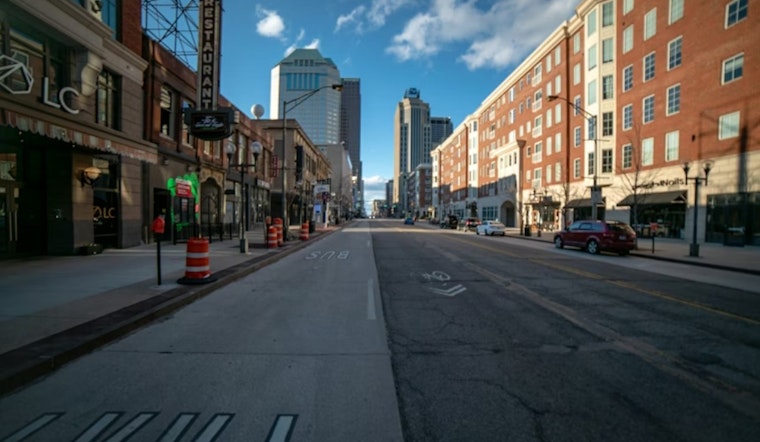
While U.S. office vacancies climbed to fresh highs in the first quarter of 2026, Columbus’s office scene looked more like a game of musical chairs than a mass evacuation. Local leasing deals and a few big move‑ins kept meaningful chunks of space in play, even as major coastal markets piled up sublease signs. For many local landlords, the start of the year felt less like a free fall and more like a sorting process, with top‑tier buildings drawing tenants and older, lower‑grade space struggling to keep up.
According to Axios, Moody’s Analytics REIS data show the national office vacancy rate climbing to about 21% in Q1 2026, a new high in the series. By contrast, Moody’s figures indicate Columbus’s vacancy rate dipped by roughly one percentage point between Q4 2025 and Q1 2026. Axios reports that Moody’s defines the Columbus region as Franklin and Delaware counties and that local effective rents rose nearly 2% during the same period.
According to Colliers, its Q1 Columbus office report pegged market vacancy at 19.18%, with positive net absorption of 241,167 square feet and roughly 645,000 square feet of leasing activity. The brokerage found average asking rents hovering around $21.83 per square foot and said demand leaned heavily toward amenity‑rich central business district and suburban submarkets.
Why local and national tallies differ
Some of the discrepancy comes down to how the numbers are built. Moody’s REIS tracks “effective” rents across 79 markets, while local brokerage reports focus on asking rents and often use slightly different geographic boundaries. As reported by Axios, Moody’s put Columbus’s effective rent at about $16.42 per square foot, compared with roughly $28.67 nationally, a gap that helps explain why headlines can sound so different. Depending on which figure you prefer, Columbus can appear either surprisingly resilient or quietly strained.
Where demand landed
According to Colliers, much of the quarter’s action clustered in downtown, Worthington and Dublin. A major boost came from Advanced Drainage Systems’ new headquarters in Hilliard, which accounted for a big slice of absorption with its 98,350‑square‑foot delivery. That project helped soak up Class A inventory even as Class B vacancies moved higher, and owner‑users such as medical practices remained active buyers. Colliers argues that those themes, including the flight to higher‑quality space and owner‑user purchases, helped keep the market from tipping into real distress.
Downtown stress and conversions
Not every downtown address is riding the upswing. The KeyBank tower on Capitol Square went to a receivership auction in March, signaling financing strain for older high‑rise stock. As reported by KeyBank tower hits auction block, the building’s listing and auction setup have attracted attention well beyond Columbus. At the same time, local reporting shows a growing pipeline of office‑to‑residential conversions working through permitting and construction downtown, suggesting that repurposing space is already part of how the market is adjusting. A roundup of those projects appears in Columbus Underground.
As summarized by Bisnow, Moody’s outlook suggests elevated national vacancy could linger as older leases expire, keeping the broader investment picture cloudy. In Columbus, the near‑term story is more selective: amenity‑rich, well‑located offices continue to draw tenants, while aging, lower‑quality buildings look toward conversions or deeper upgrades. That split is likely to drive decisions on renovations, redevelopments and sales in the coming quarters.





