

























































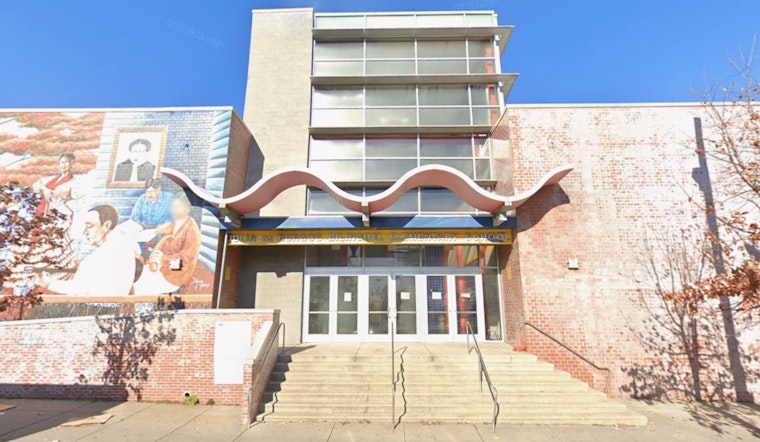
Neighbors packed the gym at Julia De Burgos Elementary School on Wednesday evening, pressing City Hall on a proposed per ride charge on app based trips that could make everyday rides more expensive. The neighborhood budget town hall turned into a running debate between parents and transit advocates who called the fee a necessary revenue lifeline for schools, and riders and drivers who warned it would squeeze low income Philadelphians. Organizers and City Council staff fielded rapid fire questions about how any new charge would be collected and how the money would be spent.
Town hall turnout
Residents repeatedly asked whether the new fee would be absorbed by rideshare companies or passed straight to riders, according to CBS News. Video from the meeting shows a mix of applause and pointed pushback as attendees pressed budget staff and council aides for details about how the policy would work, what exemptions might look like, and who exactly would feel the pinch. Several speakers urged elected officials to factor in affordability and basic transit access in low income neighborhoods before signing off on any new charge.
What Parker is proposing
Mayor Cherelle Parker first floated a 20 cent per ride Transportation Network Company fee in her budget blueprint, a move city officials said would raise about $9.6 million for the School District of Philadelphia, according to The Philadelphia Inquirer. As the scope of the district’s shortfall came into sharper focus, Parker amended the plan to a $1 per ride fee to help close the multimillion dollar gap. The city estimated that higher charge would bring in roughly $24 million in the first budget year and about $48 million in recurring annual revenue, per Axios. City officials say the proceeds would be earmarked for the school district and targeted economic mobility programs.
Who is pushing back
Rideshare companies are not taking the proposal quietly. Uber has mounted a six figure campaign against the fee, including ads and in app rider notices that urge lawmakers to reject it, Axios reported. Company spokespeople have warned that the increase, which they have labeled a “double tax,” would “hurt drivers and hit everyday Philadelphians,” and have pushed city officials to consider other options or structure the policy in a way that lets companies shoulder the cost. City spokespeople counter that the choice is already there, saying companies can decide to absorb the charge instead of passing it on to riders.
Where the revenue would go
The Parker administration has framed the fee as a way to avoid school staffing cuts and to support other initiatives such as free SEPTA passes for eligible school workers, according to NBC10. The mayor has also floated a small fee on certain retail deliveries to pay for street repairs and traffic safety projects, pitching the package as part of a broader answer to both aging infrastructure and education shortfalls.
Neighbors' voices
Residents at the De Burgos meeting voiced a mix of skepticism and reluctant support. Some said higher fares would be a real hardship for households already juggling rising costs, while others argued that the city has to find new money for schools somewhere. Local television coverage captured attendees describing the idea as “kind of crazy” and warning that family budgets are already stretched thin, as reported by FOX29. Drivers speaking at other town halls have raised similar alarms about how the fee could cut into earnings and affect riders who rely on app based trips to get to work and medical appointments.
Next steps
City Council is set to keep the neighborhood budget town halls going through the spring, and must review and approve any changes to the mayor’s plan. A council schedule and related materials list an April 22 budget meeting at Julia De Burgos Elementary School as part of that process. Philadelphia City Council and local outlets note that formal budget committee hearings and negotiations are expected in the coming weeks before a final vote this summer. For now, the proposed per ride fee sits squarely at the center of the fight between advocates who see it as overdue school funding and critics warning it will make basic transportation less affordable.





