

























































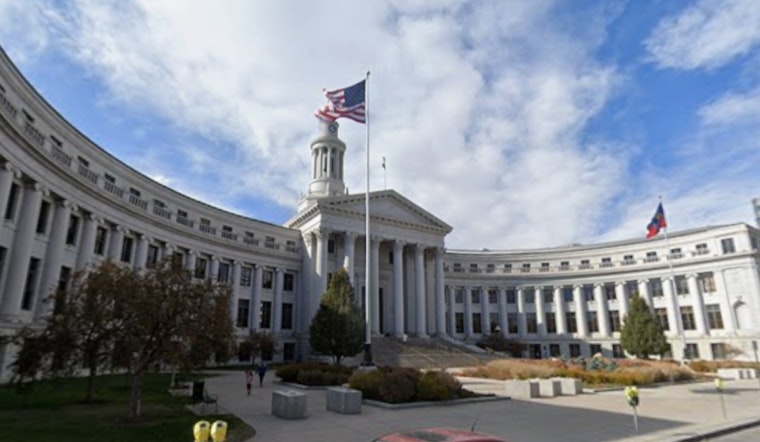
Denver City Council is back in a familiar fight over who pays what on affordable housing construction, and when. Labor advocates want the city’s prevailing-wage rules to cover more subsidized projects, while the mayor’s office and city lawyers argue that some privately built developments that take city money should be let off the hook. A council committee has now voted to send clarifying changes to the full council, a procedural move that could reset when higher construction pay is required. The stakes are straightforward: how fast new affordable units go up, and whether the workers building them earn prevailing rates.
Committee pushes clarifying ordinance
A city council committee unanimously agreed to advance a draft ordinance that would spell out when prevailing wages apply to projects that receive city investment, as reported by Denverite. Supporters say the new language is meant to clear up confusion that has already led to costly wage reclassifications and retroactive pay orders. Critics counter that tightening the rules could force up subsidy levels and slow the pace of affordable housing development.
Audit warns enforcement gaps
A November 2023 report from the Denver Auditor's Office found that the Department of Housing Stability "is not ensuring contractors comply with wage laws" and warned that weak enforcement of prevailing wages on city-supported projects could jeopardize federal funding and leave workers underpaid. The audit traced the trouble in part to confusion over which projects should be treated as "residential" and to reliance on outdated legal guidance. Those findings have pushed council members toward clearer rules and firmer oversight, according to the Denver Auditor’s Office.
City lawyer seeks narrower rule
The city attorney's office has argued that projects built on private land should not have to pay prevailing wages even if they receive city dollars, and the Johnston administration echoed that stance in a July 2024 memo, Denverite reported. Mayor’s Office spokesman Jon Ewing told reporters that the administration wants to keep affordable housing production moving while maintaining high wages, a balancing act that officials say depends on tightening up the legal language. Council members, including Paul López, pushed back, arguing that the council’s original intent was for prevailing wages to apply whenever city funding is used in construction.
A local cautionary tale
The stakes are not theoretical. The Urban Peak shelter project turned into a local warning sign after Denver Labor concluded that contractors were paid residential rates for a project that was later classified as commercial work, which auditors estimated could add $2 million to $4 million to the project’s cost, according to The Colorado Sun. City staff and developers told the Sun that the episode exposed how murky rules and poor communication between departments can saddle nonprofits with large, unexpected retroactive wage bills.
What research shows
The academic record is split. A literature review by the Economic Policy Institute finds that most econometric research shows little overall effect of prevailing-wage rules on total government construction costs, while a smaller group of studies has flagged higher costs specifically for subsidized housing. Differences in project design, how big a share of total costs labor represents, and variations in contractor productivity all play a role, which helps explain why even experts are still arguing over the net impact.
What comes next
The committee’s vote sends the draft ordinance to the full City Council for debate and a final decision. The ordinance packet and its attachments are posted on the city’s docket. How many new rules get enforced will heavily involve the city’s prevailing-wage administrator and the Auditor's Office, according to the city docket on Legistar and prevailing-wage materials from the City and County of Denver.
Legal implications
Behind the political fight sit some stark legal choices. If the council adopts tighter language, developers and nonprofits could be on the hook for retroactive pay on work that is already finished. If the city pulls back on enforcement, auditors warn that Denver could put federal funding at risk. The Auditor’s Office has urged clearer policies and better coordination among departments to avoid both scenarios, a recommendation that now sits at the center of the push to revise the ordinance.





