

























































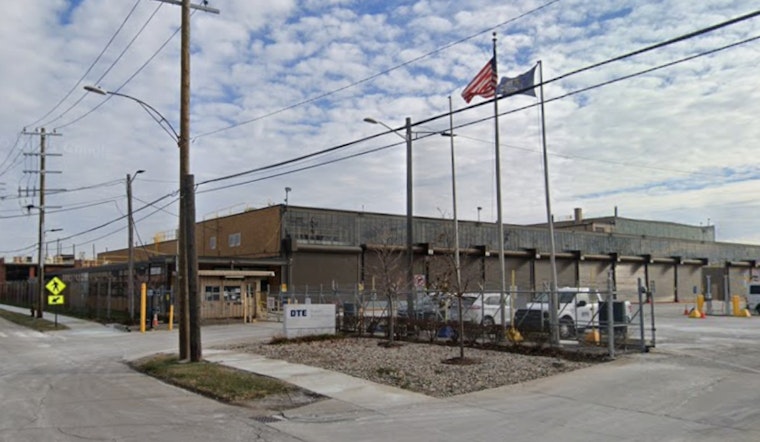
State safety regulators have cited DTE Energy after routine blood testing found elevated lead in the blood of several utility workers, including one reading of 34 micrograms per deciliter. The Michigan Occupational Safety and Health Administration classified the case as a serious workplace safety violation and proposed penalties tied to the inspection. A settlement over the citation is awaiting review by a state appeals board.
Inspection documents show three DTE employees recorded blood lead levels between 19 and 34 µg/dL in January 2025, and at least one worker was not removed from potentially exposed duties until January despite readings that exceeded Michigan's thresholds. MIOSHA later issued a serious citation and initially proposed $8,000 in fines, with paperwork indicating that an agreement later reduced that penalty to $4,200. Those details, along with the agency's notes about soldering inside manholes and splicing lead‑lined cable, come from state inspection records obtained by MLive.
Why Michigan's Rules Matter
Michigan's workplace lead standard is more protective than the federal rules. Under state guidance, an employee must be removed from lead work after a single blood lead reading of 30 µg/dL or after three tests above 20 µg/dL. At the same time, the state's surveillance program treats any result at or above 3.5 µg/dL as elevated, which helps explain why readings in the high teens and 30s caught regulators' attention. These thresholds and the state's adult lead tracking program are summarized by the Michigan Department of Health and Human Services in its guidance on adult lead exposure, per MDHHS.
DTE's Response and Testing Standards
DTE told investigators that routine worker monitoring had been handled by an outside lab using a federal benchmark for employee surveillance, and the company says it followed state direction once MIOSHA raised concerns. The utility also highlights its stated commitment to worker and public safety on its corporate safety pages, per DTE Energy.
What Investigators Found
MIOSHA's inspection paperwork notes that air sampling taken during a soldering task did not show metals or carbon monoxide above exposure limits. That result pushed investigators to take a closer look at work practices, hygiene and possible surface contamination, rather than stopping at the air data alone. The agency's public inspection data and enforcement system outline how MIOSHA documents findings, proposed penalties and penalty reduction agreements in workplace cases, as per MIOSHA.
Legal and Workplace Implications
Because Michigan tightened its lead standard in 2018, employers in the state now face lower triggers for medical removal and stricter requirements for monitoring, hygiene and engineering controls than under older federal rules. Federal rulemaking documents and MIOSHA guidance note that several state plans have moved to more protective blood lead level triggers, a shift regulators say affects how violations and penalties are assessed, per OSHA.
The settlement resolving MIOSHA's citation is scheduled for consideration by a state appeals board on April 12, 2026, and could lock in the reduced penalty along with the corrective actions DTE must take. Workers with questions about exposure or testing are urged to talk with their union representatives, occupational health providers or state public health resources for follow-up screening and guidance, as per MLive.





