

























































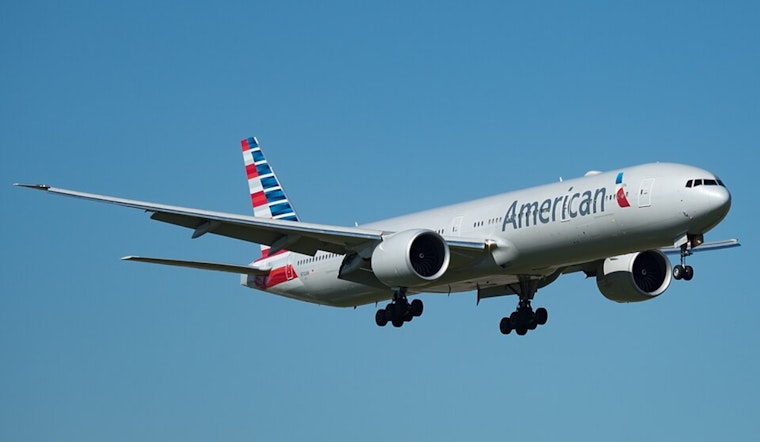
Self-scan and step right up. American Airlines is rolling out nearly 20 self‑boarding electronic gates at its Dallas–Fort Worth hub this summer, letting customers scan themselves through boarding lanes in a bid to unclog those crowded jet bridges. The new setup is tied to major pier expansions at Terminal C and, later, Terminal A as DFW reshapes its central terminal area. The airline and airport say this move builds on a late‑2025 pilot and earlier boarding tweaks that were all about getting planes out on time with fewer bottlenecks.
American's rollout plan
According to the American Airlines Newsroom, the carrier will operate nearly 20 dormakaba Argus Air XS electronic boarding gates at DFW, calling the project the first of its kind at scale by a major U.S. network airline. The gates are scheduled to debut in the new Terminal C pier expansion this summer, then appear in Terminal A's expansion later in the year. American says the units will validate boarding passes, show branded touchscreen instructions and meter the pace of boarding so employees can pivot to other operational tasks instead of scanning every single pass.
How the Argus Air XS works
Per the manufacturer, the Argus Air XS is a compact eGate built for tight gate areas that validates boarding passes and spots tailgating while offering optional biometric face recognition integration, according to dormakaba. The company underscores animated on‑screen guidance and precise sensors meant to cut down on false alarms and keep passengers flowing instead of backing up in the lane. Similar eGates have already been used in airports around the world to speed boarding and let frontline staff focus on exceptions and actual customer service instead of gatekeeping the scanner.
Pilot at Gate A13
American first tried out temporary electronic gates at Gate A13 in late 2025, where travelers scanned boarding passes themselves and the gate swung open automatically, Newsweek reported. Company spokespeople told reporters the test drew positive feedback from both customers and team members, clearing the runway for a larger rollout. That pilot run helped the airline fine‑tune passenger flow and gate‑management settings before committing to permanent hardware.
Terminal construction and capacity
DFW Airport has been leaning on modular construction to keep projects moving and recently shifted six megastructure modules into place for the Terminal C expansion, which will add 115,000 square feet and nine new gates in 2026, according to DFW Airport. The airport’s multi‑billion‑dollar capital plan calls for similar pier expansions at Terminal A along with a new Terminal F, all aimed at handling a fast‑growing region. Slotting the e‑gates into the new C pier keeps the tech rollout aligned with those construction timelines and the airport's broader push to modernize how people move through the terminals.
Why travelers will notice
Even small operational changes at DFW can ripple across the system because American runs more than 80% of the airport’s flights, the Dallas Morning News reports. That kind of dominance means smoother boarding at a few busy gates has the potential to boost on‑time departures well beyond North Texas. The paper notes American’s May 2025 boarding adjustments, which added five minutes to boarding windows and reshuffled boarding groups, were credited by the airline with improving punctuality and cutting gate‑checked bags by roughly 25%. Travelers using the new setup should expect clearer signage and touchscreen prompts at participating gates, with agents still nearby to untangle issues when the tech or a traveler needs a little extra help.
What's next
American says DFW is just the opening act and that electronic boarding gates could eventually pop up at other hubs and gateway airports, according to the American Airlines Newsroom. The airline frames the project as one piece of a broader digital strategy that also leans on biometric tools and one‑stop security programs. For now, travelers flying out of the new Terminal C pier this summer should be ready to follow on‑screen instructions when their group is called and to experience a slightly more automated, slightly less “herd through the turnstile” style of boarding.





_at_Miami_International_Airport.jpg)