

























































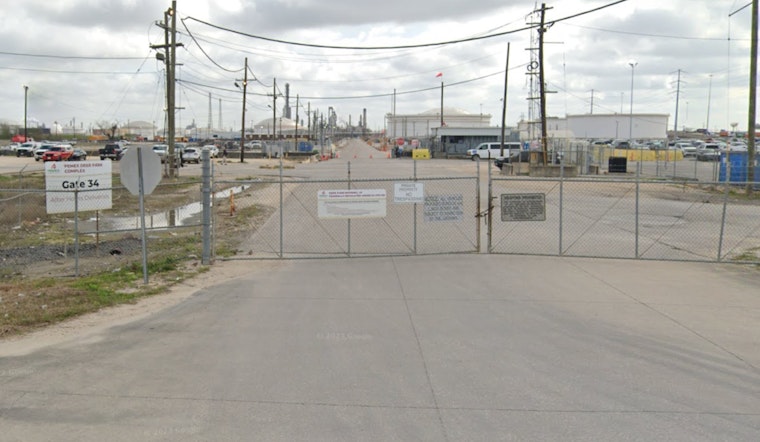
A diesel leak at PEMEX Deer Park’s dock on the Houston Ship Channel stirred an early response Sunday morning, with crews racing to corral the fuel on the water using containment booms. The refinery said workers quickly tracked down and isolated the source, its oil-spill team rolled out on-water defenses, and regulators were notified. Company representatives and local officials said there were no known impacts to nearby neighborhoods or industrial facilities at the time of the statement.
What PEMEX said
In a statement to Click2Houston, PEMEX Deer Park said the leak source had been “identified and isolated” and that containment booms were in place around the product. The refinery added that it had alerted the appropriate regulatory agencies and would issue additional updates as more information comes in. At that point, the company said it was not aware of any impact on the surrounding community or nearby industrial operations.
Ship Channel context
The Houston Ship Channel is lined with refineries, chemical plants and terminals, so diesel and fuel discharges are an unfortunate part of the backdrop. Over a 20 year period, the Galveston Bay region has averaged more than 250 spills a year, according to reporting by the Houston Chronicle. That history has turned rapid containment and tight coordination among industry, the U.S. Coast Guard and state agencies into a routine playbook whenever something hits the water. As of Sunday, city and county officials had not released details on how much diesel was involved in the Deer Park incident.
Recent safety scrutiny at Deer Park
PEMEX Deer Park is operating under a sharper spotlight after a deadly hydrogen-sulfide release in October 2024. The U.S. Chemical Safety and Hazard Investigation Board issued its final investigation report in February 2026, faulting the refinery’s work-permitting process and its system for identifying equipment. Investigators concluded those systemic problems contributed to two worker deaths and multiple injuries and issued a slate of recommendations aimed at both the Deer Park plant and the broader industry. That tragedy has made regulators and the public especially attentive to how even relatively modest product releases are managed at the site.
How the cleanup works
Containment booms, skimmers and secondary containment are typically the first tools deployed to capture a diesel sheen and keep it from spreading while response crews recover fuel and shield sensitive shorelines. State and federal responders usually coordinate through a unified command structure and carry out air and water monitoring. The Texas Commission on Environmental Quality documents previous Deer Park responses and outlines the monitoring and response steps agencies take during these kinds of incidents. On land, refinery and contractor teams work to stop the source, secure the affected area and document the release for regulators and any future claims process.
What to watch next
PEMEX Deer Park has said it will share more details as they are confirmed, and state or federal agencies could publish technical reports if an incident command is formally opened or Notices of Federal Interest are issued. Residents looking for official information can check PEMEX Deer Park for facility notices and media contacts. Local emergency management outlets are expected to issue public safety advisories if monitoring detects any impact beyond the plant’s fence line.




