

























































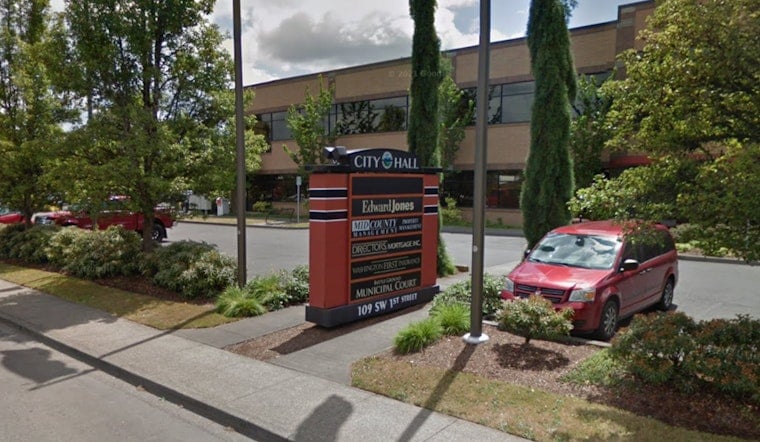
Downtown Battle Ground is in the middle of a quiet makeover that does not feel so quiet anymore. A wave of building sales on Main Street, paired with a new 60‑acre project on the edge of town, is reshaping the city center and stirring questions about who is really steering the change. The buying spree is tied to a local industrial manufacturer and comes alongside plans for a convention center, a stone chapel and a cemetery on land north of town. What started as a series of fixes and fresh paint jobs has morphed into a hometown argument over development, religion and power in a city of roughly 23,000 just north of Portland.
City Deal And The 60‑Acre Project
In the fall of 2025, the Battle Ground City Council signed off on a development agreement with BG Village Property, LLC, recorded in council materials as the Maddox Infrastructure Development Agreement. On paper, it covers a large piece of land and a list of infrastructure commitments that will have ripple effects well beyond the property line. The meeting record shows the council adopted Ordinance 2025‑14, and that a councilmember with ties to Maddox stepped aside and recused from the hearing. City council minutes.
Who’s Buying Downtown?
State and county filings, along with local reporting, trace more than 30 downtown parcels to corporations connected to Camden Spiller and Maddox Industrial Transformer, the company he co‑owns. As reported by OPB, Maddox has told city leaders it poured significant money into Main Street, now employs about 125 people locally, and has seen rapid revenue growth as data‑center demand boosted transformer sales.
Podcasts And “Third Spaces”
The buying pattern is wrapped into a broader story some local leaders have been telling about Battle Ground’s future. A podcast called The Battle Ground Project, co‑hosted by Maddox real‑estate vice president Max Booth and Pastor C.R. Wiley, took up themes of business, politics and everyday life in town. The show’s episode pages and archives are still listed on major podcast platforms, including Apple Podcasts, offering a window into how the hosts framed the role of downtown spaces and community hangouts often described as “third spaces.”
Mixed Reactions On Main Street
On the ground, the response is far from unanimous. Some residents, along with the city manager, cheer the renovations and the jobs tied to Maddox and its affiliates, saying the investment has revived tired storefronts. Others say the pattern of purchases feels opaque and worry that so much property in so few hands can tilt how decisions get made. OPB reported both the boosterism and the unease, and noted that episodes of the local podcast were later pulled from some feeds after the station’s reporting began.
What Critics Point To
Local watchdog reporting and commentary frame the situation as a case study in how a well‑capitalized network can use LLCs and development agreements to shape a town’s retail core and civic life. Analysis in Columbia Countercurrent tracks how a cluster of purchases, combined with a public‑private development deal, can concentrate decision‑making power in a small circle, even when each individual transaction follows the usual legal playbook.
Transparency, Recusals And The Rules
City records show that the council’s review of the BG Village agreement included standard environmental and infrastructure reviews, along with the recusal by a Maddox‑connected council member. Supporters point to these steps as evidence that the usual procedural safeguards were in place. The project’s permitting and funding paperwork is posted in the city’s document center, including a Department of Ecology water‑quality financial agreement tied to site planning. City of Battle Ground.
What To Watch Next
The fight over what kind of growth Battle Ground wants is unlikely to fade as more construction fencing goes up. Residents and officials told reporters they want clearer timelines, more upfront information about who will occupy renovated buildings and new space on the campus, and meaningful public input on how the downtown parcels are used. For now, the story is less a single bombshell moment than an unfolding test of who gets to chart the future of a small but quickly changing city.





