

























































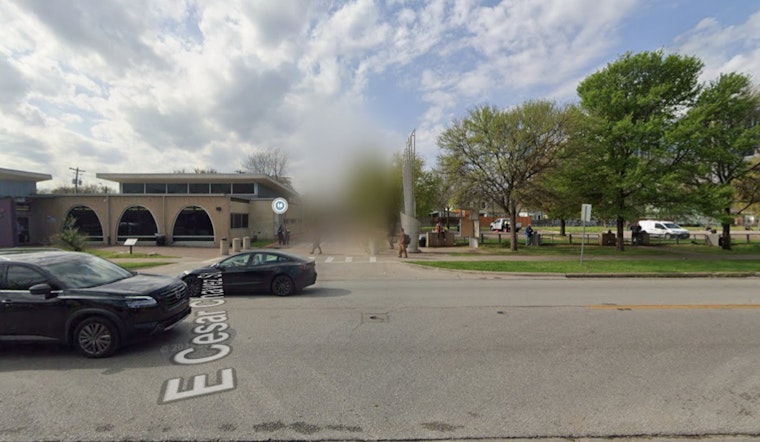
An “enhanced” encampment clearing near the Terrazas Branch Library in East Austin this week has turned into a flashpoint between the city and homelessness advocates. People who had been staying around the library, along with outreach workers, say tents and personal belongings were taken or damaged, and that they did not get enough warning before crews arrived. City officials insist the operation was part of an outreach and public space management push aimed at connecting people with shelter, but the clash has reopened a familiar fight over how Austin handles encampments.
According to KXAN, advocacy group VOCAL-TX and other local organizers say people in the area were never properly notified and were not offered resources before the clearing started. They describe what happened as a sweep, not a true services effort, and argue that this kind of operation strips people of belongings and stability and makes them less likely to say yes to shelter later.
How the City Says HEAL Is Supposed to Work
City records list the Terrazas Branch Library as a site for the Housing-Focused Encampment Assistance Link, or HEAL, a program the Homeless Strategy Division bills as intensive street outreach paired with placements in bridge shelter. A recent briefing from the City of Austin states that HEAL has decommissioned multiple encampments and moved hundreds of people into bridge shelter, reporting an 85 percent shelter-acceptance rate in earlier operations.
People Living There Say the Sweep Set Them Back
Residents and organizers say the clearings around Terrazas did more harm than good. Carrieann Smith told KXAN the sweep set her back because she now has to replace tents and other basic belongings. Community organizer David Gray said the Terrazas area has already been targeted twice by HEAL outreach. The city told reporters it returned to the campus for an enhanced clearing a couple of weeks ago and said officers tried to avoid seizing personal items such as IDs and medication.
Why Advocates Say This Strategy Misses the Mark
Advocates argue that sweeps carried out without reliable shelter options or clear advance notice undercut outreach goals and erode trust between people living outside and the very service providers trying to help. They acknowledge that HEAL’s own placement numbers show the program can move people into shelter, but they point to City of Austin data to argue that those results need to be matched with transparent procedures and more permanent housing opportunities.
What Happens Next Around Terrazas
City officials say they plan to post “keep clear” signs around the library grounds and continue outreach in the area. Advocates, meanwhile, say they will keep pushing for earlier notice and additional shelter resources as the city moves forward. For now, the library campus has become the latest stage for a broader debate over how to share public space while also addressing immediate housing needs and the longer-term solutions Austin keeps saying it wants.




