

























































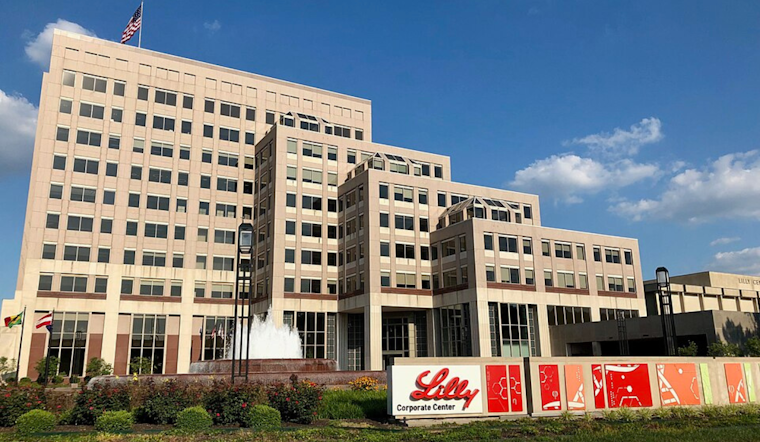
An Emeryville AI startup has scored a massive genetic-medicine pact with Indianapolis-based Eli Lilly that could be worth up to $2.25 billion if its enzyme designs hit development and sales milestones. The multi-program agreement pairs Profluent's machine-learning protein-design platform with Lilly's genetic-medicine development capabilities, with the two companies aiming to create enzymes that can make larger, more precise changes to DNA than many current editors allow. Company leaders say the work is focused on diseases that existing gene-editing tools struggle to treat.
Profluent said it will use its AI models to design custom, site-specific recombinases, while Lilly will receive an exclusive license to take selected candidates through in-vivo research, preclinical studies, clinical trials and, if all goes well, commercialization, according to a press release distributed via Business Wire. The startup reported that it will get an upfront payment and committed research funding and could earn up to $2.25 billion in development and commercial milestones, plus tiered royalties on net sales; the companies did not share further financial details. Profluent CEO Ali Madani described kilobase-scale DNA editing as a "holy grail" in the release.
Reuters confirmed the agreement, noting that the collaboration targets diseases that are hard to treat with current gene-editing tools and that Profluent's AI approach could enable larger and more accurate DNA changes, potentially replacing faulty genes rather than only fixing short stretches of DNA. The deal arrives amid a broader wave of partnerships and lab investments as large drugmakers lean further into genetic medicine.
How recombinases could enable bigger DNA fixes
Site-specific recombinases differ from the CRISPR nucleases that typically make single-site cuts because they can be adapted to integrate much larger DNA segments at precise spots in the genome, a capability researchers describe as kilobase-scale editing. Peer-reviewed studies have shown that engineered recombinases, especially when paired with prime-editing or related approaches, can insert multi-kilobase cassettes into mammalian genomes with measurable efficiency, pointing to a possible route to therapies that replace whole genes rather than tweak short sequences. That technical foundation is what Profluent says its AI models were built to extend and make more programmable for therapeutic use, though the companies have not disclosed which diseases they plan to target or how many programs are covered in the deal. For background on engineered recombinases and large-payload integration, see a paper in Nature Biomedical Engineering and work catalogued in Nature Biotechnology.
Why Lilly is placing a big bet
Lilly has been steadily expanding its genetic-medicine footprint, opening large R&D hubs and cutting deals for technologies that add new modalities to its pipeline, in what industry reporting describes as a broader push into next-generation therapies. Coverage of Lilly's growing genetic-medicine infrastructure and recent transactions portrays the company as extending beyond its diabetes and obesity franchises into gene editing and in vivo engineering. Reporting on Lilly's Boston labs and related moves helps explain the strategy behind these partnerships, as noted by BioPharma Dive and company announcements such as Lilly's acquisition of Kelonia.
Regulatory and safety hurdles
Turning an AI-designed enzyme into an actual medicine will mean running a long regulatory gauntlet, starting with extensive safety and manufacturing work. Regulators expect rigorous evaluation of off-target activity, durable effects on the genome, and solid chemistry, manufacturing and controls for any genome-editing therapeutic. The FDA's guidance and draft guidances for cellular and gene therapies spell out these expectations and long-term follow-up requirements. Those demands help explain why milestone payments in deals like this are staged across development and commercialization rather than paid all at once, and why the journey from lab proof-of-concept to an approved therapy typically takes years. For details, see the FDA's Cellular & Gene Therapy guidance hub: FDA.
Local impact and what to watch next
Profluent, headquartered in Emeryville and backed by venture capital, raised a $106 million financing round in late 2025 that the company said would help scale its models and lab work, capital that could give it enough runway to advance program work with Lilly, according to Profluent's funding release. Local biotech leaders say partnerships of this size often lead to expanded lab activity and hiring in the Bay Area if programs move forward, though concrete job numbers and timelines will depend on preclinical results and regulatory milestones. In the near term, key things to watch will be which specific genomic targets Lilly chooses, how many programs the partners push into preclinical testing, and any IND filings or early safety data they share in the months ahead.




