

























































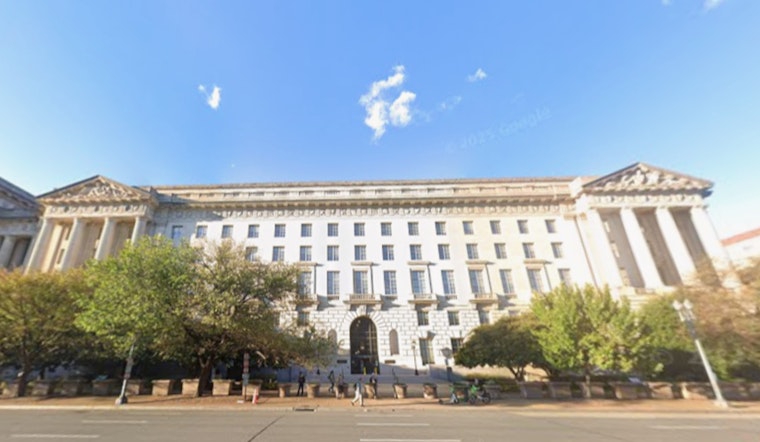
On April 2, the Environmental Protection Agency published a draft of its sixth Contaminant Candidate List, or CCL 6, that for the first time names microplastics and pharmaceuticals as contaminants in public drinking water. The move kicks off a 60-day public comment period and a multi-step review that could eventually lead to monitoring or enforceable limits for utilities, although no new testing requirements are being imposed yet, as reported by the Environmental Protection Agency.
What’s on the draft list
The draft CCL 6 includes 75 chemicals, four contaminant groups, and nine microbes, according to the Environmental Protection Agency. The four groups are microplastics, pharmaceuticals, PFAS, and disinfection byproducts. The agency says the list identifies substances that are not currently regulated under the Safe Drinking Water Act and serves as a kind of priority chart for research, funding, and future regulatory decision making.
What the listing does, and does not, do
Landing on the CCL is the start of a research and prioritization process, not the arrival of a national regulation or a mandatory monitoring program, as Bloomberg Law reports. The outlet notes that EPA is also publishing non-enforceable human-health screening levels for hundreds of pharmaceuticals and expects to release a final version of CCL 6 by November 17, 2026. For now, the public gets 60 days to weigh in while the agency and its advisory panels review the underlying science.
Monitoring and advocates’ response
Environmental and public-health groups greeted the new listings as a necessary step, then quickly pivoted to what they say needs to come next: national monitoring. Food & Water Watch and allied organizations have pressed EPA to use the Unregulated Contaminant Monitoring Rule to collect occurrence data. They argue that putting substances on the CCL is important, but that it does not do enough without follow-up monitoring. Advocates say the data from such monitoring would give states, tribes, and utilities the information they need to decide whether treatment upgrades or specific limits make sense.
Political backdrop
The timing is not landing in a political vacuum. The Associated Press reports that the move is likely to be read as a win for Health Secretary Robert F. Kennedy Jr.’s Make America Healthy Again, or MAHA, movement. Agency officials, for their part, framed the action as an answer to public concern about plastics and pharmaceutical residues turning up in drinking water systems across the country.
Legal and regulatory hurdles
Critics who have watched previous contaminant lists come and go are already warning people not to expect quick, hard limits to emerge. “It’s the beginning of a very long process that routinely ends in nothing,” Erik Olson of the Natural Resources Defense Council told the Associated Press. The agency’s own recent paperwork shows how steep the climb can be: in March, EPA finalized determinations not to initiate regulation for nine contaminants it had reviewed, according to the Federal Register.
How to weigh in and what’s next
Members of the public, utilities, and other stakeholders have until June 1, 2026, to submit comments on the draft CCL 6. Instructions and the docket are available on EPA. Once the comment period closes and the Science Advisory Board completes its review, the agency plans to use the findings to set priorities for monitoring, research, and any potential proposals under the Unregulated Contaminant Monitoring Rule or a full-blown drinking water rulemaking.





