

























































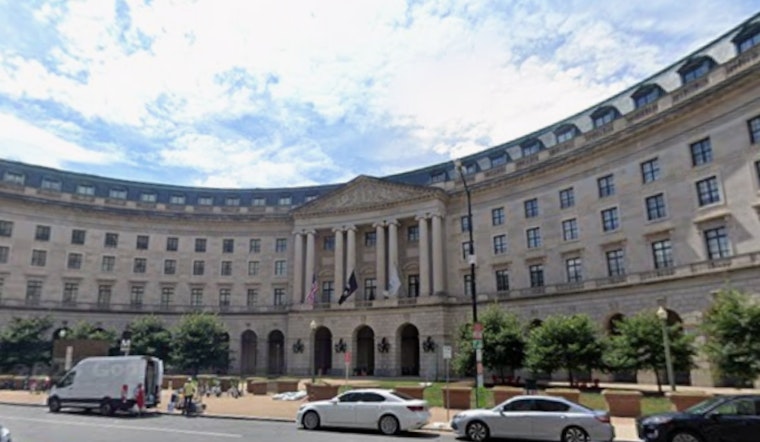
Federal regulators have quietly signaled they may peel back long-standing Clean Air Act protections for so-called advanced recycling plants that use pyrolysis to process plastic waste, and environmental groups say the move could give polluters an easier path around strict monitoring and permitting. The proposal is tucked into a March notice in the Federal Register about air curtain incinerators, following a flurry of industry visits to EPA headquarters in February. With a virtual EPA hearing slated for early April, a technical tweak has suddenly shoved a national fight over plastic recycling and pollution controls onto a fast track.
What the rule would actually change
The agency’s proposed rule would consolidate standards for air curtain incinerators and specifically asks whether to remove the reference to pyrolysis/combustion units from rules that govern Other Solid Waste Incinerators. Critics argue that this definitional edit could effectively exempt many pyrolysis facilities from Section 129 emission limits and Title V permitting requirements.
As outlined in the Federal Register, the EPA opened a 45-day comment period and said it would hold a virtual public hearing on April 6 if requested. Written comments are due by May 4. If finalized, the change would move some facilities out of solid waste regulation and into a manufacturing posture that carries different monitoring and reporting rules.
Who showed up at EPA
Visitor logs compiled by Beyond Plastics show representatives from ExxonMobil, Dow, LyondellBasell, SABIC, and several trade groups signing in at EPA headquarters from February 10 through 12. The watchdog counted about 16 industry visitors within a few days of each other and says this cluster of meetings came just before the agency’s March notice appeared.
For critics, the timeline and the fact that the pyrolysis question surfaces as a single paragraph inside a broader air curtain incinerator rule have become central to concerns about industry access and how transparent the process really is.
Industry frames it as clarity, not deregulation
The chemical industry insists the move is about regulatory clarity, not cutting corners. In a press release, the plastics division of the American Chemistry Council said the EPA’s solicitation of comments “helps address the current state of regulatory uncertainty” and praised the agency for asking whether pyrolysis should be treated differently.
The statement from the American Chemistry Council argues that modern pyrolysis technologies can turn hard-to-recycle plastics into feedstocks for new products, rather than simply burning the material for energy.
‘It’s not recycling,’ advocates say
Environmental advocates push back hard on that framing and say much of what is branded as chemical recycling is essentially incineration that generates toxic pollution. “It’s not recycling,” James Pew of Earthjustice told the Times of San Diego, arguing that pyrolysis typically produces oily wastes and emissions rather than meaningful amounts of recycled polymer.
Groups warn that redefining these units could spur more such facilities and concentrate air toxic risks, including dioxins, heavy metals and other contaminants, in fenceline communities that already live next to heavy industry.
Legal and historical context
Pyrolysis and gasification have long been treated as incineration under federal rules, and the EPA has previously stepped back from efforts that would have loosened that classification. The agency’s 2026 notice reopens a debate the EPA had essentially closed in 2023, and trade reporting notes that related significant new use rules under TSCA were withdrawn in 2025 after controversy. More background is laid out by Resource Recycling.
Any legal reclassification at the federal level would also intersect with state policies that have already taken different approaches to how chemical recycling is handled.
Public hearing and next steps
The EPA’s materials state that the agency will accept public comment for 45 days and that a virtual hearing is scheduled for April 6, which makes the coming weeks the window for testimony and written submissions. In a March 17 news release, the EPA framed the move as part of broader permitting reforms for disaster cleanup, while explicitly asking for input on whether the OSWI definition should drop the phrase “pyrolysis/combustion units.”
Agency officials will review the comments and testimony before deciding whether to finalize any change in definitions and the related permitting requirements.
For San Diego residents, this fight is not just an inside the Beltway food fight. Weakening federal baselines can change how future facilities are permitted and what kind of monitoring is required near neighborhoods already coping with industrial pollution. Even if no pyrolysis plant is on the drawing board locally right now, the outcome of this rulemaking will influence state and local decisions and the types of projects companies are likely to bring forward. What happens in this short hearing and comment period will decide whether pyrolysis stays a one-paragraph footnote or becomes a national regulatory pivot point with real public health consequences.




