

























































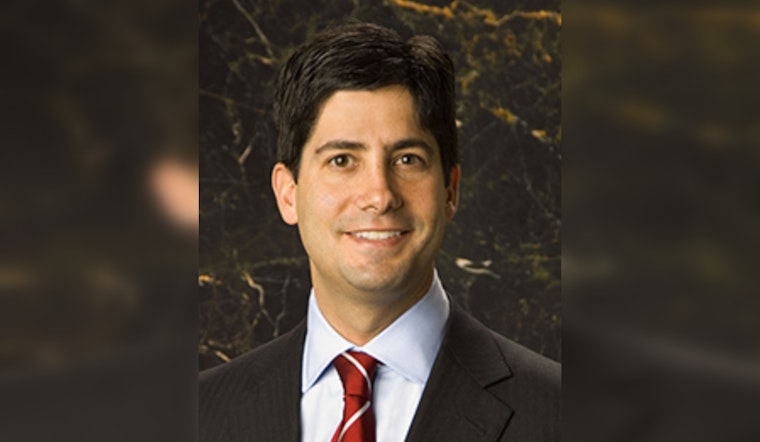
President Donald Trump’s pick for Federal Reserve chair, Kevin Warsh, is heading into Washington under intense scrutiny as he gears up for a Senate Banking Committee confirmation hearing on Tuesday. Warsh has publicly called for “regime change” at the Fed, a much smaller balance sheet, tighter coordination with the Treasury Department and lower policy rates, a package of ideas that could significantly reshape financial markets and the central bank’s role if he follows through. Lawmakers, investors and consumer advocates say those proposals raise substantial policy and ethics questions that the hearing will be expected to unpack.
Those themes are not a mystery. They are spelled out in speeches and interviews Warsh has given over the past year, according to Reuters. The outlet’s roundup highlights his push for a narrower Fed mandate, clearer communications with less internal “cacophony,” a smaller presence in financial markets and more formal coordination with the Treasury, a combination that would mark a clear break from recent Fed practice.
What He Has Actually Said
At a Reagan National Economic Forum event last May, Warsh argued that the Fed’s balance sheet “is trillions larger than it needs to be” and concluded, “My recommendation is a smaller balance sheet,” according to a transcript of his remarks. In a separate interview with Fox Business last summer, he maintained that “interest rates should be lower” and suggested that shrinking the balance sheet and easing rates could be paired as a way to support households and small businesses.
Markets And A Reality Check
Plenty of economists warn that substantially reducing the Fed’s roughly $6 trillion to $7 trillion portfolio without roiling markets would be technically difficult and could stretch over years rather than months, according to reporting from Bloomberg. That practical skepticism helps explain why Wall Street has reacted cautiously to Warsh’s agenda, even as traders try to game out how his views might translate into actual policy shifts.
What To Watch At The Hearing
Earlier this month, Warsh submitted a 69-page public financial disclosure that listed dozens of private-fund, crypto and AI-linked investments and pledged to shed any assets that would conflict with Federal Reserve rules, according to AP. Lawmakers are expected to press him on those holdings and on his policy agenda at the confirmation hearing that Reuters reports is scheduled for Tuesday. Democrats, led by Sen. Elizabeth Warren, have already called for more detail on the size and structure of his assets as they weigh whether Warsh’s plans would strengthen or weaken the Fed’s independence.


.jpg)