

























































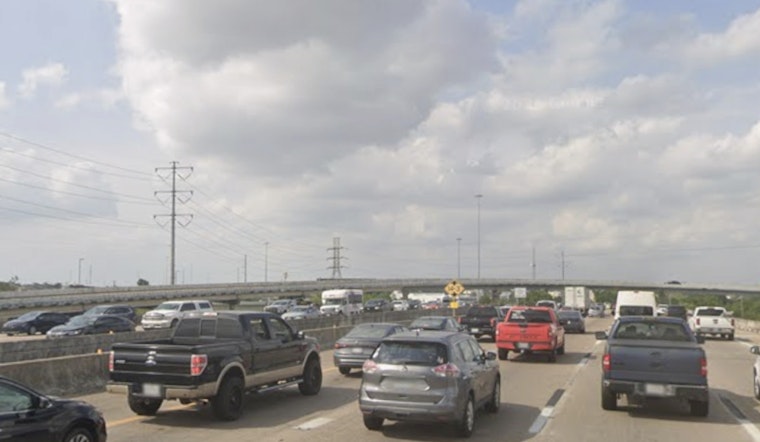
More Harris County drivers are quietly rolling the dice on the roads, skipping car insurance as soaring premiums eat into their budgets. In a recent focus group, participants said they shell out about $238 a month for coverage, or roughly $2,856 a year, and many admitted they have driven uninsured at least occasionally. County verification records show about 14.44% of vehicles do not have a verified policy on file.
What The Report Found
The numbers come from a white paper by Texas Appleseed and the United Way of Greater Houston, which drew on a September 2025 focus group and state verification data, according to Texas Appleseed. Researchers documented that nearly half of focus-group participants had driven without insurance at some point and that average monthly premiums among attendees ran about $238 per vehicle. The paper also cites state records showing Harris County’s unmatched registration rate of 14.44% without verified coverage, based on TexasSure vehicle verification data. The authors say those costs land hardest on low- and moderate-income households.
How Much Drivers Are Paying
Focus-group respondents reported paying around $2,856 a year for auto insurance, and Texas drivers in general are not catching any breaks either. Experian’s marketplace data puts average full-coverage premiums at about $2,859 a year statewide, and industry analyses say recent price swings have pushed some drivers into choosing between maintaining insurance and keeping any kind of savings cushion. One Harris County driver summed up the squeeze this way: “It’s a doozy...you would rather put that money into a savings account or save up for a wedding ring,” they told ABC13 Houston.
What Is Behind The Swings
State filings and industry trackers both point to a whipsaw insurance market. The Texas Department of Insurance’s rate-filing summary shows a 23.8% change in 2022 and a 25.5% shift in 2023, while analysts blame higher claim costs, pricier repairs, and vehicle theft for multiyear premium pressure. Industry trackers such as Insurify report the same pattern. In practice, that volatility means drivers in high-loss ZIP codes can get quoted far higher prices than similar motorists in nearby neighborhoods.
Lawmakers And Advocates Press For Fixes
Advocates are pushing reforms that would curb the use of non-driving factors such as credit score and ZIP code in setting rates, arguing that premiums should reflect how someone drives, not where they live or how they score on a credit report. That pitch has caught the attention of state leaders. Local coverage notes that Lt. Gov. Dan Patrick has put insurance-market oversight on the Senate Business and Commerce Committee’s interim agenda, and the Texas House has signaled similar interest in tightening consumer protections, as reported by KERA News. Focus-group participants suggested standardizing liability pricing so that increases track more closely with driving history and less with socioeconomic markers.
Legal Consequences And Local Ripple Effects
Driving without the required financial responsibility is a misdemeanor under state law, with first offenses typically drawing fines between $175 and $350 and repeat violations facing tougher penalties. For recurring cases, the law allows for suspension and vehicle impoundment options, according to the Texas Transportation Code. Texas Appleseed’s analysis also links higher premiums to more frequent ticketing in lower-income ZIP codes, a connection advocates say makes it even harder for working families to keep legal coverage in place.
Drivers looking for help are not entirely on their own. The Texas Department of Insurance maintains consumer tools and explanations on rate changes and complaints, and United Way of Greater Houston offers financial-stability programs for residents juggling bills and benefits. For anyone trying to make sense of a premium hike or find support to stay insured, TDI and local United Way offices are a logical place to start.





