

























































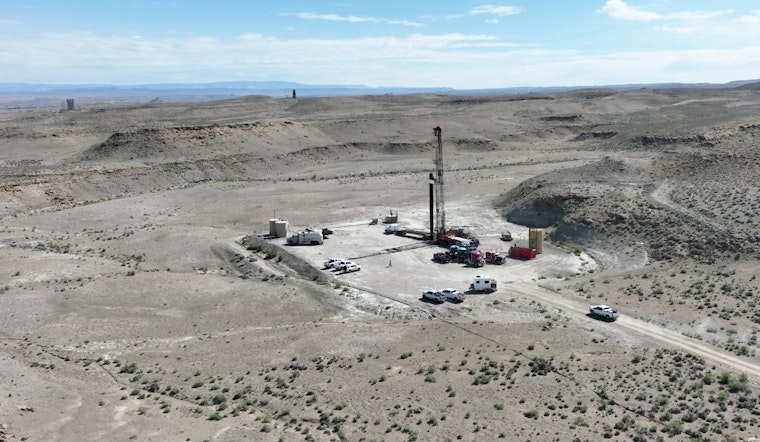
Utah just landed a $5 million federal grant to deal with some very old business: plugging abandoned oil and gas wells scattered around the state. The Utah Division of Oil, Gas and Mining, or OGM, plans to seal 24 orphaned wells over the next two years, with work kicking off in late March in the Uintah Basin and then moving into southeastern Utah. State regulators say they are also lining up a second batch of wells to plug if private operators do not step up to take responsibility. They are pitching the program as a fast, targeted way to cut safety hazards and environmental risks from leaking wells and rusting infrastructure.
State plans and on-the-ground work
As reported by KUTV, OGM will start with wells that are already leaking or are judged to be at serious risk of leaking, and will schedule plugging based on risk ranking and site conditions. Those decisions lean heavily on the agency’s orphan well database, which tracks each well’s drilling date, ownership history and depth so staff can see which sites are most likely to cause trouble. OGM engineering and geoscience manager Megan Crocker told KUTV the goal is straightforward, if ambitious: drive the state’s orphaned well inventory as close to zero as possible.
Where the money came from
Federal award records list the funding as a project grant under the Department of the Interior’s Energy Community Revitalization Program, recorded under project code D26AP00117. GovTribe details the Utah award, noting a multi-year performance period and requirements that include well plugging, site remediation and methane measurement. The Department of the Interior ties this broader orphaned well effort to funding from the Bipartisan Infrastructure Law, according to the Department of the Interior.
Who's doing the work
State officials have tapped Peak Well Services to run the downhole plugging operations and are looking for a separate contractor to take on surface reclamation once the wells are safely sealed, as reported by KUTV. Splitting the work between specialized plugging crews and reclamation teams that handle soils and vegetation is meant to keep the schedule tight and satisfy federal grant rules. Local oil-field contractors in the Uintah Basin are expected to play a key role in getting rigs, equipment and crews to these remote sites quickly.
How are wells prioritized
The Division of Oil, Gas and Mining runs annual risk assessments that weigh well depth, internal pressure, distance to groundwater, and proximity to homes or other development when deciding which orphan wells go to the front of the line. The program typically starts with wells that are actively leaking or pose an immediate safety threat, then moves to sites that present higher environmental risks. The division’s orphan well page on the Utah Division of Oil, Gas and Mining website lays out the program’s history and notes that more than 150 wells have already been plugged using orphan well funds and forfeited operator bonds.
What this means for communities
Grant documents and federal guidance require states to measure methane emissions from plugged wells and to check for groundwater and surface-water impacts, steps meant to cut both public health risks and greenhouse gas releases. GovTribe and related federal materials highlight methane monitoring and community-priority screening as core deliverables for the program. State officials say the work is also expected to bring short-term jobs for local contractors and to trim long-term liabilities for landowners and county governments that otherwise might be stuck with abandoned infrastructure.
Timeline and next steps
OGM plans to complete the first group of 24 wells within the next two years, while keeping other orphaned locations on a watch list in case operators come forward to accept responsibility. If no one claims a second batch of wells, the state intends to move ahead with plugging those, too. With a multi-year performance window written into the federal grant, the division has some flexibility to phase the plugging, site cleanup and follow-up monitoring over time.




