

























































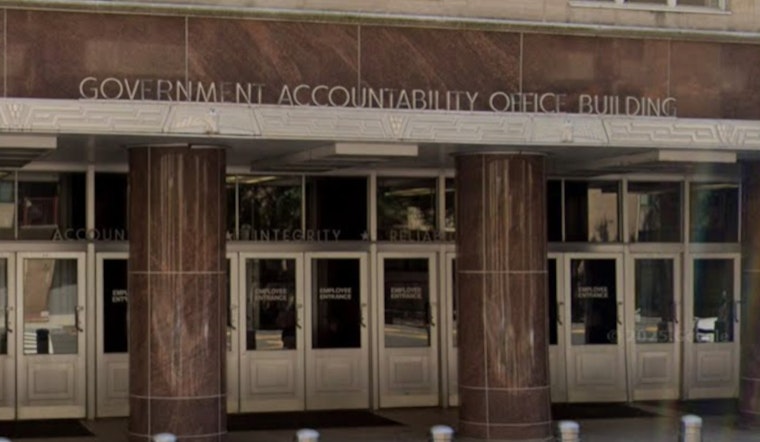
The federal government sent an estimated $186 billion out the door in fiscal year 2025 that it should not have, according to the Government Accountability Office, a tally that highlights persistent weak spots in how agencies safeguard taxpayer money. The bulk of those misfires came from a small group of massive benefit programs, and even this eye-popping total probably falls short of the full damage.
A new report from the Government Accountability Office found that agencies reported about $186 billion in improper payments across 64 programs at 15 federal agencies in FY 2025. Roughly $153 billion of that, or about 82 percent, were overpayments, an increase of about $24 billion from the prior year, according to U.S. GAO.
"Federal agencies must do more to protect taxpayer dollars from the errors that drive improper payments," Acting Comptroller General Orice W. Brown said, calling for tighter controls, better data and stronger oversight, as reported by FOX Business. The GAO report, part of the watchdog’s audit of the government’s consolidated financial statements, lays out a fresh batch of recommendations for both agencies and Congress.
Where The Money Went Sideways
About 73 percent of the government-wide total, roughly $136 billion, was packed into five program areas. Medicare, across three programs, accounted for about $57 billion, while Medicaid added around $37 billion. The Earned Income Tax Credit was flagged for roughly $21 billion, and both SNAP and the Shuttered Venue Operators Grant program each racked up about $10 billion in improper payments, according to Nextgov. Nineteen programs reported improper payment rate estimates of at least 10 percent, and six blew past 25 percent.
What The Watchdog Wants Fixed
To start shrinking those losses, GAO urged that any new federal program making more than $100 million a year in payments be automatically tagged as susceptible to improper payments. It also wants agencies to have internal control plans ready to deploy quickly during emergencies, when money tends to move fast and controls can lag, a set of ideas summarized by FOX 9 Minneapolis–St. Paul. The watchdog also reiterated earlier advice to boost data transparency and beef up inspector general reviews so the estimates themselves are more reliable.
Policy Gaps And Next Steps
GAO warned that the $186 billion figure does not include every vulnerable program. Temporary Assistance for Needy Families, for example, did not provide an estimate and is left out of the total. Since fiscal year 2003, cumulative improper payment estimates have reached about $3 trillion, which GAO said suggests the true scale of the problem may be even larger, per U.S. GAO. One recent move from Capitol Hill: in February, the President signed the Ending Improper Payments to Deceased People Act, which permanently allows sharing of death records to help stop payments from going to individuals who have died, according to the White House.
What It Means For Taxpayers
For taxpayers, the report is a reminder that even long-standing entitlement programs can leak money on a massive scale. GAO said real fixes will require investing in better data systems and stronger front-end checks, changes that could slow benefits processing in the short term even as they save money over time. Lawmakers and agency leaders will now face pressure to follow through on GAO’s recommendations and to decide whether to require more consistent reporting from states and individual programs so that the full extent of improper payments can actually be seen, measured and, eventually, cleaned up.


