

























































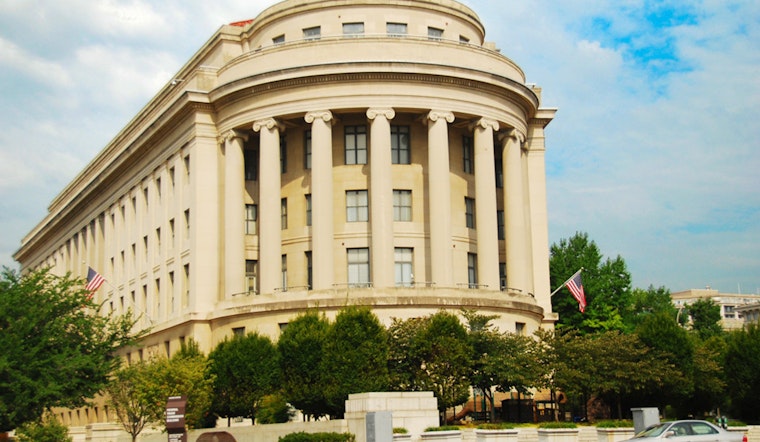
The Federal Trade Commission has put the auto industry squarely on notice, sending warning letters to 97 dealership groups that advertised prices must match the total amount a customer will actually pay. The letters call out the kind of tactics car buyers love to hate: teaser prices that vanish, ads that require dealer financing to get the lowest figure, and mandatory add‑ons that surface only when it is time to sign. For shoppers in D.C. and across the country, the move is meant to push online listings to reflect reality before you ever set foot on a lot. Regulators say the practice can amount to deceptive advertising and they are prepared to act.
In a March 13 press release, the FTC said the letters tell dealers that advertised prices must include all mandatory dealer fees, aside from government taxes and title fees, and listed specific examples of potentially illegal conduct. The agency singled out ads that omit required fees, show rebates not available to most buyers, quote prices that depend on dealer financing, require the purchase of add‑ons not in the ad, or advertise vehicles that are not actually available. The FTC added that it will monitor compliance and “take additional action as warranted.” The release also notes several pending enforcement cases the agency has brought in this area.
Local Context And A Quick Consumer Playbook
Local outlets have been tracking consumer complaints for months, with buyers describing sticker shock when the contract finally appears. As reported by KSLTV, a practical first step is to screenshot any ad and insist on a written, out‑the‑door price that includes all fees. State consumer offices have already moved on similar problems. For example, the Utah Division of Consumer Protection warned dealers about deceptive tactics in 2024 and offers guidance for car buyers. Keeping a paper trail of ads, texts and emails makes it easier to show regulators or state attorneys general what was promised versus what was charged.
Red Flags To Watch For
Industry coverage points to a handful of bright‑line red flags that should make buyers pause. These include language that ties an advertised price to a specific lender, fine print about “market adjustments” or “prep” fees that appear only at signing, and rebates or discounts that most buyers cannot actually claim. Kelley Blue Book summarized the FTC guidance and warned dealers that advertised prices should reflect any mandatory charges so consumers are not surprised at the cash register. If you see any of these cues, ask for an itemized written estimate before negotiating trade‑in or financing terms.
How Enforcement Could Play Out
Warning letters are often the FTC’s first step to nudge industry players toward compliance and can precede formal enforcement if problems persist. Legal commentators note the letters function as a compliance prompt and that dealers typically conduct internal audits after receiving one. The FTC announcement specifically references active cases involving Lindsay Chevrolet, Leader Automotive Group and Asbury Automotive Group, underlining that the agency has already moved beyond warnings in some matters. Dealers that ignore the notices risk having complaints funneled into formal investigations and potential litigation.
What Buyers Should Do
If you are buying in D.C., the Attorney General’s consumer office urges the basics: get promises in writing, request an itemized out‑the‑door price, and keep screenshots and copies of all communications. The District’s consumer alert also lists contact points for filing complaints and points buyers toward federal used‑car guidance. If a dealer refuses to honor an advertised price, file a complaint with your local consumer protection office and preserve the evidence for regulators. Acting early and documenting the ad and sales process helps authorities spot patterns and take coordinated action.




