

























































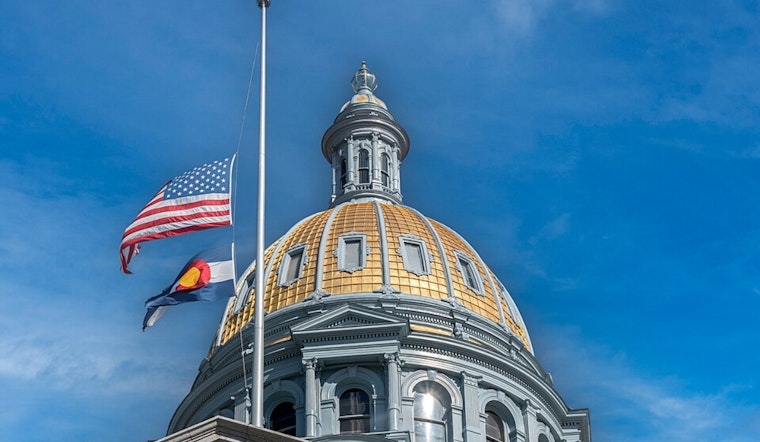
At the Colorado State Capitol, lawmakers have quietly rewritten the playbook on how to pay for big-ticket projects. Instead of piling on mandatory surcharges that show up on every household bill, they are leaning into a new strategy: optional fees and industry assessments that try to raise money without sparking voter revolt.
The shift is playing out in two headline bills. One would add a $5 optional vehicle registration fee to help pay for wildlife crossings. The other would tack on a tiny per-policy charge to property insurers to bankroll grants for hail-resistant roofs. Supporters say the approach keeps crucial projects moving while avoiding the kind of political sticker shock that helped sink mandatory fees last year.
What Is In The Wildlife Crossings Bill
Senate Bill 26-141 authorizes an optional "collision prevention" fee of $5 that would be collected at vehicle registration starting Jan. 1, 2027, according to the Colorado General Assembly. The measure allows the bridge and tunnel enterprise to start adjusting that amount for inflation in the state fiscal year 2028-29.
Under the proposal, 75% of the revenue would flow into a new collision prevention fund for wildlife crossing projects and 25% would go to the wildlife cash fund. The bill also requires clear opt-out language so that skipping the charge will not block anyone from registering a vehicle.
Fiscal estimates cited in reporting peg the optional fee’s annual haul at roughly $4 million, according to Colorado Public Radio. Sponsors say that federal matches and local partnerships could eventually push the total higher, turning a modest voluntary charge into a larger pool of project money.
Why Lawmakers Pivoted
After mandatory surcharges and insurance levies sparked political blowback in 2025, lawmakers started hunting for ways to fund priorities without putting obvious new costs on families. That pressure helped drive the move toward voluntary fees and assessments on insurers and other businesses, lawmakers and analysts told Colorado Public Radio.
House Speaker Julie McCluskie told the outlet that funding plans "must be sustainable and make sense for consumers." The optional-fee model is designed to keep money flowing for projects while sidestepping the kind of visible, across-the-board hikes that fueled the backlash against previous mandatory proposals.
How The Hail-Resilience Plan Would Work
Lawmakers are also pushing a plan aimed at one of Colorado homeowners’ perennial nightmares: hail damage. A separate bill would impose a 0.5% fee on property insurers, using the revenue to create a grant program that helps pay for hail-resistant roofs, according to reporting by The Colorado Sun.
The measure is estimated to generate about $20 million in its early years. It also includes language meant to keep insurers from directly passing the new fee through to policyholders, a tweak that sponsors say addresses earlier concerns that homeowners would simply get the bill anyway. Backers argue that if more homes can withstand hailstorms, insurers will face fewer claims over time, which could help ease some of the upward pressure on premiums.
TABOR And The Legal Angle
Colorado’s Taxpayers’ Bill of Rights, or TABOR, requires voter approval for new taxes and many tax hikes. That constraint has nudged lawmakers toward fees and enterprise structures that can avoid the ballot, according to the Colorado General Assembly.
The text of SB26-141 explicitly states that revenue collected through the bridge and tunnel enterprise "is not subject" to Section 20 of Article X of the state constitution, so it does not require voter approval. Supporters included that language to keep the optional collision prevention fee out of a statewide vote.
Critics counter that carving revenue into enterprise accounts has become a go-to way around TABOR’s limits and warn that the strategy could invite both legal fights and fresh political controversies.
What Is Next
SB26-141 cleared the Senate on April 13 and then moved to the House, where it was assigned to the Finance Committee. A House hearing was set for April 20, according to tracking by LegiScan.
Sponsors say they want to combine public outreach with modest opt-in mechanics to build participation and secure federal matches before they lean on the new fund for major wildlife crossing projects. If the wildlife and hail bills survive committee scrutiny and win full House approval, Colorado will get a real-world test of whether voluntary payments and insurer assessments can reliably bankroll infrastructure without triggering the kind of voter fights that torpedoed mandatory levies.
For now, the approach reflects the political balancing act under the gold dome: lawmakers need fresh money for targeted infrastructure yet remain wary of anything that looks like another hit to already stretched household budgets. Whether drivers will voluntarily add a few dollars at the DMV counter, and whether insurers will truly absorb their new fee instead of quietly shifting it back to customers, will determine how much cash these programs actually have to work with.





