

























































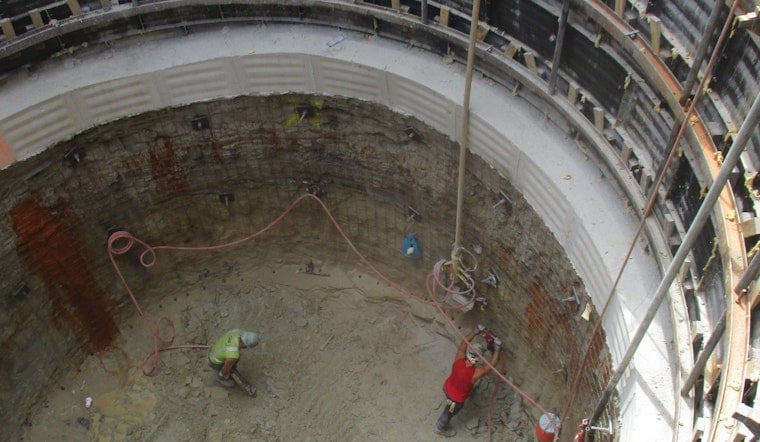
The Northeast Ohio Regional Sewer District is gearing up to start construction later this year on the Big Creek Tunnel, the final and arguably flashiest piece of Project Clean Lake's seven-tunnel lineup to keep sewage out of Lake Erie. The deep, 20-foot-diameter tunnel will stretch more than four miles beneath parts of Cleveland, Linndale and Brooklyn and is expected to go into service around 2031. District officials say the project is part of a long-running push to cut combined-sewer overflows that have historically funneled untreated discharges into local waterways.
Big Creek by the numbers
The Big Creek Storage Tunnel will run roughly 22,300 feet and measure 20 feet in diameter, carved into rock 50 to 100 feet below ground. It is designed to store a mix of sanitary sewage and stormwater from 11 combined-sewer outfalls, according to the Northeast Ohio Regional Sewer District. A separate NEORSD fact sheet details the schedule and scope: design wrapped in early 2026, bidding is set for spring and summer 2026 and construction is expected to continue into 2031. Engineers put the price tag near $295 million, while the public project page notes a roughly $300 million figure. The agency says the Big Creek Tunnel should cut combined-sewer overflows into Big Creek and its tributaries by about 550 million gallons a year, and that Project Clean Lake work already in the ground has eliminated billions of gallons of overflow.
Consent decree and deadline
The Big Creek tunnel is the last large-diameter tunnel in NEORSD's roughly $3 billion, multi-decade Project Clean Lake, a program created under a federal consent decree first approved in 2011. In July 2024 the U.S. Environmental Protection Agency rolled out a proposed modification to that settlement that sets a construction deadline for the Big Creek Tunnel of Dec. 31, 2034, and tweaks some treatment and flow-control measures, according to the EPA. The modification still has to move through a public comment process, and the updated schedule shapes how NEORSD juggles tunnel work with other treatment upgrades at its wastewater plants.
What neighbors should expect
Engineering teams say the tunnel alignment runs roughly from W. 130th Street to W. 24th Street and will require multiple shafts and surface staging areas, according to design contractors at KS Associates. At street level that typically means staging zones, intermittent lane closures and local detours, the same short-term headaches residents saw during earlier tunnel digs. As one district manager put it to local media, the tunnels simply "store it till the rain event is over," a plain-spoken description of how the system keeps raw sewage from reaching creeks, according to reporting by Spectrum News 1.
Next steps
NEORSD expects to post bid documents in the spring and summer of 2026 and to award contracts before heavy equipment rolls into place, a schedule first reported by Cleveland.com. After crews start mining and outfitting shafts there will be an extended stretch of testing, connections and commissioning before the tunnel is activated and folded into the district's broader combined-sewer overflow control network. Officials say that while the digging and detours will be very noticeable in the short term, the payoff should be decades of cleaner creeks and far fewer sewage releases into Lake Erie.



