

























































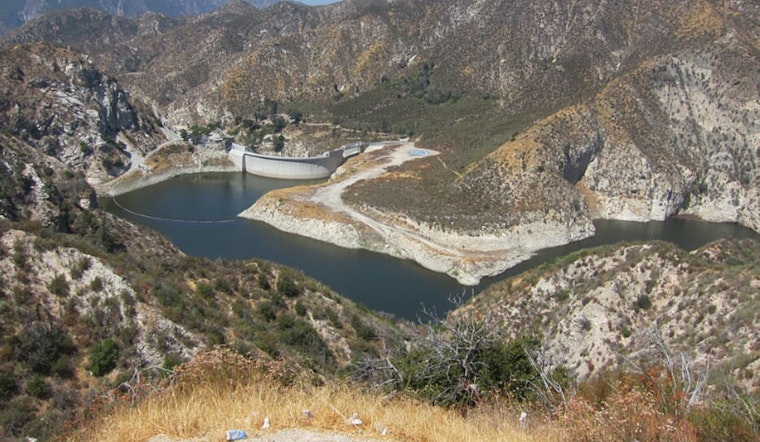
In the fire-prone foothills above Los Angeles, nerves are running high as county officials move ahead with plans to draw down two major flood-control reservoirs for multi-year sediment cleanouts. The Big Tujunga and Pacoima projects would lower water levels so crews can dig out and haul away millions of cubic yards of debris, a move residents worry could undercut local firefighting water supplies. The concern is fresh after recent blazes left nearby neighborhoods scrambling for every gallon they could get.
high costs, big dirt
The price tag is no small line item. A state committee analysis pegs the Big Tujunga restoration at about $60 million, and the Pacoima effort at roughly $80 million, part of a broader county push to restore flood protection and reservoir operability, according to the Assembly committee. Public environmental records say the Big Tujunga cleanup alone could mean removing on the order of 2 to 4.4 million cubic yards of sediment, per CEQAnet.
How the county would do it
Los Angeles County Public Works says site preparation at Big Tujunga is slated to start in late 2026, with sediment removal tentatively beginning in spring 2027. The Pacoima effort is planned as a phased program that includes dewatering the reservoir, excavating sediment, and then hauling it out over multiple years. As outlined by LA County Public Works, the Big Tujunga schedule is designed to restore storage and flood capacity while meeting state and federal permitting requirements. The Pacoima project description from LA County Public Works similarly lays out a plan to dewater the reservoir and stage the work so sediment can be removed and placed in designated areas.
Residents push back
Neighbors who turned out for public scoping meetings and briefings brought a familiar list of worries, delivered with extra urgency: miles of heavy trucks on local roads, more dust and air-quality problems, and the fear that dropping water levels at both reservoirs around the same time could leave firefighters with less nearby water when they need it most. County public works director Mark Pestrella told attendees the department will evaluate options and test what is being dug out, saying, “As we prepare the project, we’ll be doing sampling of the sediment. We will be making that public information,” according to KNX News.
Fire risk makes the stakes higher
Those concerns are intensified by recent fire scares and the lingering memory of the Palisades emergency, when the nearby Santa Ynez reservoir was offline as homes burned, and outside engineers were brought in to review how the water system performed. NBC Los Angeles reported on those post-fire investigations. Just last week, the Crown Fire in the Acton area scorched roughly 385 acres, a reminder from CBS Los Angeles coverage that brush fires can still erupt quickly almost anywhere in the county.
Why the cleanouts matter
County engineers argue the work is overdue. Decades of storm runoff and past wildfires have choked the reservoirs with sediment, reducing both flood-control and water-conservation capacity and putting extra strain on outlet works. Project documents and forest-service summaries say restoring storage and reopening outlet access are critical steps to protecting downstream communities during major storms, according to the U.S. Forest Service.
What to watch next
Before any serious digging begins, both projects still have to clear environmental review and secure permits, and county staff says public input will shape the timing and mitigation plans. Written comments and questions about Pacoima and related reservoir cleanouts are being collected through the county’s outreach process, including the reservoir cleanouts email that was shared at public scoping sessions. KNX News has been tracking upcoming meetings and explaining how residents can get their concerns on the record.





