

























































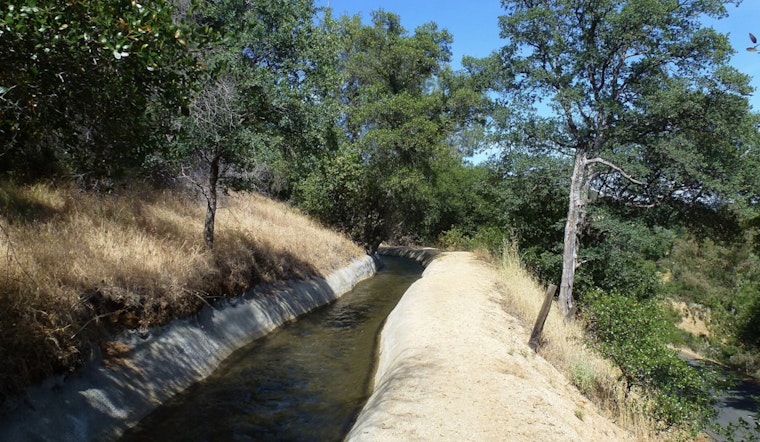
Ranchers and farmers across the Northern Sierra Foothills are raising alarms over a Nevada Irrigation District proposal that would phase in double-digit water-rate hikes over the next five years. At recent public meetings, multi-generation operations warned that the changes could significantly increase costs for irrigated agriculture and family ranches already operating on thin margins.
What the proposal would do
Under the draft plan, customers could see water bills rise by roughly 10 to 12.5 percent each year, a climb local reporting notes would compound into hefty new annual expenses for many users. According to materials from the Nevada Irrigation District and public testimony, those percentages form the backbone of the proposal, and a public hearing is scheduled for May 27 at 9 a.m. in Grass Valley.
Why the district says it needs the money
The district’s draft 2026 Cost of Service Study calls for a 12.5 percent revenue adjustment beginning July 1, 2026, followed by additional annual adjustments to rebuild capital reserves and cover operating expenses. The report points to aging distribution and treatment infrastructure and lists large projects, including a projected $55 million repair of the Scotts Flat Reservoir spillway, as key drivers of the financial shortfall, according to the Nevada Irrigation District.
Ranchers warn of ripple effects
At public meetings, Auburn cattle rancher Joe Fischer did not sugarcoat his concerns, saying, “To be frank, this one here is going to sting a little different,” and warning that the increases could push people out of agriculture. That emotional reaction, along with worries about long-term attrition in local ranching, was highlighted in reporting by CBS Sacramento, which described multi-generation ranchers breaking down during testimony.
Board moves and local pushback
Local outlets report that the board has already started the Proposition 218 process that would allow the district to adopt multi-year rate increases and has taken steps such as ending a 5 percent early-payment discount for some agricultural accounts, a move that has intensified community concern. KNCO reports that roughly 900 customers had been using that discount and quotes agricultural groups and residents urging the district to seek grants or other strategies to soften the blow on tight-margin operations.
How to weigh in
The district’s Proposition 218 notice explains how customers can submit written protests and confirms the public hearing at 9:00 a.m. on May 27 at the district office at 1036 West Main Street in Grass Valley. See the notice from the Nevada Irrigation District for details on delivering written protests, key deadlines, and the proposed rate tables.
Legal timeline
Anyone eyeing a legal challenge should be aware that California law sets a tight window for contesting newly adopted water fees. Government Code section 53759 establishes a 120-day statute of limitations for actions to attack or set aside new or increased water and sewer charges. That statute and related case law mean the Proposition 218 record and any timely written objections will be crucial if critics pursue judicial review; see the text of California Government Code section 53759 as posted by Justia for the specific language.



