

























































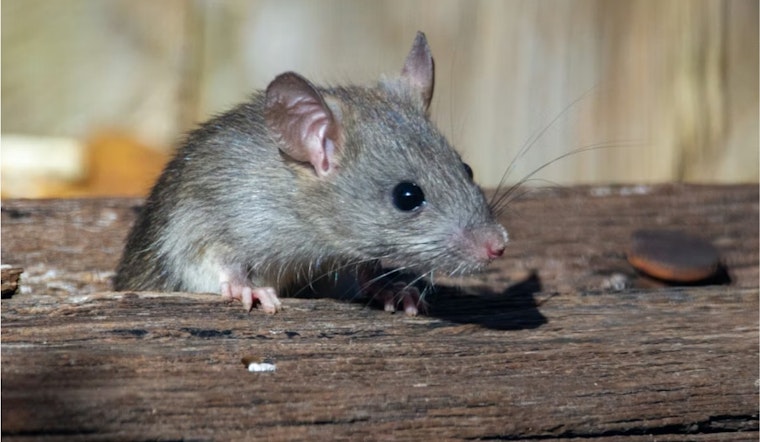
Rodent droppings, faulty equipment and a rash of low health scores showed up on recent inspection reports for restaurants and convenience stores in Tarrant County and nearby cities. The latest batch of inspections, covering March 29 through April 4, flagged everything from pests in storage areas to a convenience store drink station that had to be shut down on the spot. For diners and business owners, the numbers are a fresh reminder that food safety scores can tumble fast when inspectors walk in and find problems.
Which businesses were called out
The recent roundup highlighted several low scores and specific violations. Sugary Bliss n Brew landed a score of 70 after inspectors reported rodent droppings in cabinets, inside containers of coffee filters and in an open bag of caramel frappe powder. Lisa’s Chicken & Seafood #31 scored 75, and Quik Sak 1 scored 73 and was ordered to close its drink station until it could be reinspected. The same report listed Mikoto and Parlor Doughnuts at 76 and Daniel y Maria Mexican Restaurant at 78, all part of 52 inspections reviewed for the period, as reported by the Fort Worth Star-Telegram.
How scores work and who inspects
Tarrant County Public Health uses a demerit-based scoring system that groups violations by severity and tracks demerit points instead of simply subtracting from 100. The county notes that around 30 demerits signals a serious situation that can bring rapid follow-up or a notice of intent to suspend a permit, and it also emphasizes that a single critical violation can shut a place down on the spot, regardless of the total score. The agency explains which cities it inspects directly and which handle their own restaurant inspections, and that split determines which office issues a given report. The full breakdown is available from Tarrant County Public Health.
Closures, corrections and follow-up
Inspectors ordered the drink station at Quik Sak 1 closed until a health official could reinspect that part of the business, a limited but immediate move intended to remove a specific risk. Many inspection write-ups note that operators fixed problems on the spot and were allowed to continue operating under a follow-up schedule, although issues that are not corrected or that keep returning can end up in permit hearings.
A pattern in recent roundups
Pest evidence and equipment failures have been recurring themes in recent inspection summaries around the region, pointing to ongoing sanitation and maintenance gaps at a small share of locations. Hoodline coverage earlier in the month documented similar issues, from rodent droppings to roaches and plumbing problems, in other inspection cycles. A late March report on rodents, roaches and rank odors looked at that broader trend.
Legal and public-health implications
With inspection authority divided between county and city health departments, timelines for enforcement and follow-up can differ from one jurisdiction to another. Tarrant County warns that serious violations that are not corrected can lead to notices of intent to suspend permits and administrative hearings, and it uses reinspections to verify fixes before a business returns to routine oversight. Operators that receive a low score or a specific closure order are advised to contact the inspecting agency named on their report to find out the steps and schedule required to reopen, and the county outlines its enforcement and reinspection process on its website.




