

























































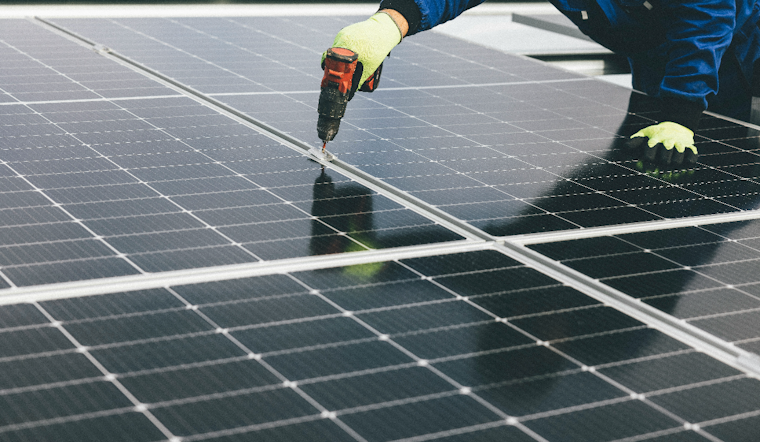
Baltimore Shines, a partnership between the Baltimore City Department of Housing and Community Development and local nonprofit Civic Works, is quietly turning rowhouse rooftops into bill-cutting machines. The program installs rooftop solar on city homes at no up-front cost for qualifying residents. It hit a 50-home milestone last year and is aiming for roughly 170 installations by the end of 2026, with early participants already reporting noticeably smaller electric bills.
How Baltimore Shines works
To qualify, homeowners must live in Baltimore, own their home, and meet income limits. Eligibility caps range from $26,338 for a single-person household to $54,600 for a family of four and up to $92,260 for an eight-person household. According to Civic Works, the nonprofit handles roof and electrical readiness work, owns the solar array, and operates the system under a prepaid 20-year lease so homeowners do not pay installation costs. The group also ties each installation to paid on-the-job training, creating local solar career pathways alongside the new panels.
Residents report smaller bills
For families on the receiving end, the impact is showing up in their monthly statements. Some report summer electric bills in the $10 to $30 range and winter savings of about $50 from month to month. One homeowner who went solar in June 2023 says her Baltimore Gas & Electric charges have dropped by roughly half. The Avenue News notes that an 11-kilowatt system would typically run a homeowner $15,000 to $18,000 if bought outright, a cost this program covers through grants, tax credits, and its third-party ownership model. Those household stories line up with program estimates that the planned buildout will deliver meaningful recurring bill relief for participating families.
Funding and federal headwinds
State and city cash have helped get Baltimore Shines off the ground. Civic Works has secured more than $4.6 million in state grants to run the program, and the City directed $1.5 million in ARPA funds to the effort, a contribution officials highlighted when the project reached its 50th installation milestone. According to the City of Baltimore, the ARPA award played a central role in the program’s recent expansion. Private philanthropy and utility partners have chipped in as well, with a recent $250,000 grant from BGE and the Exelon Foundation set to cover additional installations, per CityBiz.
The national picture has been rockier. The EPA pulled the plug on its $7 billion Solar for All grant program in August 2025, according to AP. Civic Works staff say that the loss forced Baltimore Shines to restructure and trim the size of individual systems. Victor Walters told The Avenue News the program is “capping systems at about 5.7 kilowatts” in order to stretch available dollars.
Why this matters for Baltimore families
Energy costs already hit Baltimore households harder than most. Data from the American Council for an Energy-Efficient Economy show the median household devotes around 3% of income to energy, while the median low-income household spends roughly 10.5%, one of the highest burdens among low-income residents in U.S. metros. With utility and rate pressures growing, including a signaled Baltimore Gas & Electric increase that would average about $26.06 per month for combined gas and electric service, even modest bill cuts can feel like a financial pressure valve for struggling families. The program’s built-in workforce training and on-the-job placements add another benefit, supporting both household budgets and local job pipelines, as reported by The Daily Record.
Applications remain open to qualifying homeowners, and full details on income limits and how to apply are available from Civic Works. As Baltimore Shines moves toward its 170-home goal, organizers say they will judge success by a straightforward trio of outcomes: lower monthly bills, visible neighborhood investment, and lasting career opportunities for city residents.





