

























































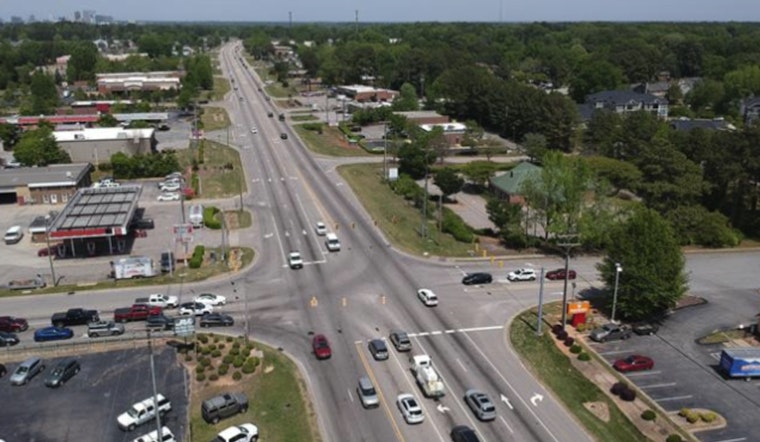
A chronically clogged stretch of U.S. 401 (Fayetteville Road) in Garner is getting a full-on overhaul, with NCDOT moving ahead on a redesign that will widen more than a mile of the corridor into a six-lane, median-divided road packed with safety upgrades. The plan calls for new turn lanes, Reduced Conflict Intersections, changes to how left turns work, plus sidewalks and high-visibility crosswalks where there are none today. Commuters can expect years of construction and signal changes that will reshape how local streets connect to the highway.
Contract and scope
The state has awarded a $25,655,442 construction contract to Conti Civil LLC for project U-5302, covering U.S. 401 from just south of Old Stage Road to just south of Mechanical Boulevard, according to NCDOT. In its project release, NCDOT describes the plan as converting the corridor into a six-lane, median-divided roadway with turn lanes where needed, plus Reduced Conflict Intersections and synchronized traffic signals that remove many left-turn movements. The release also notes that sidewalks and high-visibility crosswalks will be added through a cost-sharing agreement with the Town of Garner and that the department will send weekly email updates once construction begins.
Timing and traffic
Traffic counts along this stretch are already intense. According to The News & Observer, roughly 48,500 vehicles used the corridor daily in 2024, and projections show that number continuing to climb, which planners say helps justify the widening. The paper also reports that the project was delayed for years by budget and legal setbacks, and that bid documents lay out intermediate completion milestones through 2028 with a final completion date in 2029.
Safety context
Concerns about pedestrian safety have been a big part of the push to fix Fayetteville Road. Local coverage has pointed out gaps in continuous sidewalks and at least two pedestrian deaths in recent years, which helped fuel residents' and officials' demands for safer crossings and sidewalks. That history is a major reason the project emphasizes pedestrian elements, synchronized signals and reduced-conflict design. Earlier coverage is available from WRAL.
What drivers and neighbors should expect
The contract award specifies that work will begin once the agreement is executed and a preconstruction conference is held, and NCDOT says construction will be phased to keep traffic moving while utilities and turn lanes are put in. Drivers should brace for temporary lane shifts, updated signal timings and restricted left turns at some side streets during the work. Neighbors who want to keep tabs on what is happening can sign up for the department's email updates and check project materials on NCDOT's project page.





