

























































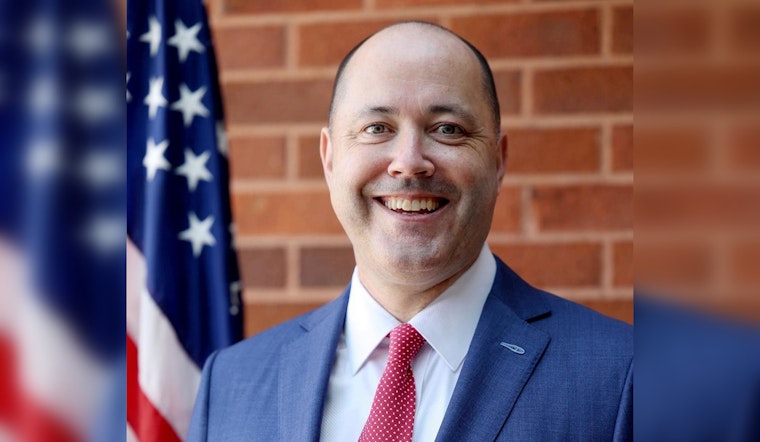
Georgia Attorney General Chris Carr is trying to hit illegal vapes where it hurts: the credit card terminal.
Carr has joined a coalition of 13 state attorneys general urging Visa, Mastercard, American Express and Discover to stop processing payments for illegal e‑cigarette products that officials say are largely imported from China and aggressively marketed to kids with candy flavors. In an April 14 multistate letter, the group argues that card payments are the main pipeline keeping thousands of unauthorized disposable vapes flowing into convenience stores, smoke shops and online storefronts.
The letter in numbers
The April 14 letter, led by Iowa Attorney General Brenna Bird, claims illicit e‑cigarette products “now account for almost all” of the U.S. market, saying they represent more than 80 percent of sales and generate over $11 billion in annual retail revenue, according to the multistate letter. The attorneys general say thousands of unauthorized brands are still running transactions on major payment platforms despite retailer warnings and state and federal laws.
On the federal side, the Food and Drug Administration has authorized just 41 e‑cigarette products for legal sale in the United States, a detail the letter highlights to argue that the overwhelming majority of items on store shelves are unlawful. The FDA keeps a public, searchable list of products that have received marketing authorization.
What the attorneys general want
The attorneys general are asking the card networks to do more than wag a finger. The letter urges them to identify and cut off merchants selling illegal vapes, beef up monitoring of suspicious sellers and “exercise notice‑based enforcement authority” to shut down non‑compliant accounts.
“These illegal Chinese vapes are putting our children at risk, and we must do all we can to protect them,” Carr said in a statement, according to the Georgia Attorney General’s Office. The letter points to existing tools the payment giants already operate under, including PACT Act rules on tobacco shipments, FDA premarket requirements and card‑network merchant‑category standards that can be used to justify cutting off offenders.
Why payments are a chokepoint
For vape sellers, the card networks are essentially the life support system. Merchants depend on acquiring banks, payment processors and the big card brands to accept card payments, so losing that access can make it far harder to scale an online shop or even keep a brick‑and‑mortar store afloat, industry analysts note.
Legal and payments experts say that focusing on the payments chain raises some knotty practical questions, such as how to separate bad actors from legitimate vape retailers and how to track e‑commerce funnels or mislabeled shipments, but they also describe it as a logical next front in enforcement pressure; see analysis from JD Supra. The April 14 push also cites a 2005 partnership between state attorneys general, the ATF and the card networks that helped rein in illegal internet cigarette sales as a model for what coordinated action can do, as reported by WSB-TV.
What could happen next
The attorneys general want the card companies to spell out exactly what steps they are taking and to sit down with state officials to hash out enforcement strategies, according to the multistate letter. The pressure campaign lands on top of other crackdowns in the supply chain, including recent seizures of illegal shipments and new proposals in Congress.
One of those proposals comes from Senator Tom Cotton, who has introduced legislation to stiffen penalties for importers of illegal vapes, according to Senator Cotton’s Office. How far card processors ultimately go, from suspending specific merchants to rolling out broader monitoring programs, will help determine whether choking off payments actually shrinks the illicit vape market or just pushes it to other channels.
How to report suspicious products
Consumers who run across questionable e‑cigarette products can file reports through the FDA’s tobacco complaints and adverse events portal, according to the FDA. State consumer‑protection units have also been logging complaints and opening investigations related to the same concerns.
The multistate letter suggests that card networks could become another major enforcement partner. Turning that idea into reality, however, will require time, data‑sharing and some serious behind‑the‑scenes technical work if payment systems are going to reliably block illegal sellers without sweeping up lawful businesses along the way.


